

Review Toledo business-purpose rental financing with supported income and property-specific operating checks.
Review your rental scenario Call 816-792-2360
Make the lead-safe timeline part of the Toledo purchase plan
A Toledo rental investment needs an income review and a plan for meeting the requirements that allow it to operate. For older one-to-four-unit housing, the city’s lead-safe resources are an early diligence checkpoint. Do not wait until after selecting a loan to discover that the property needs additional assessment, work or documentation before the intended tenancy can begin.
An eligible DSCR program may evaluate supported property income, while credit, cash, reserves, appraisal, title and condition still require review. This guide concerns genuine business-purpose investments without occupancy by the borrower or immediate family. Disclose any different plan, even when title will be held by an LLC. Entity formation does not establish the purpose or exemption. Lyndi needs the complete address, building description and rental arrangement to discuss options grounded in the actual property rather than a generic investment label.
The metro population describes scale, not a rent guarantee
The U.S. Census Bureau’s July 2025 estimate for the Toledo metropolitan area is 599,376 residents. That figure is for the metro, not Toledo city alone. It establishes regional context for this guide but does not forecast vacancy, collections or the rent a particular house can support.
Gather rental evidence that reflects the subject’s bedrooms, bathrooms, parking, condition, included utilities and lease term. Keep single-family and small multifamily comparisons separate where their operating features differ. Note marketing dates and distinguish asking rent from a verified tenancy. If a comparison falls outside the city, do not automatically apply Toledo’s city-specific requirements to that address. A good analysis explains both the comparable features and the remaining uncertainty. Broader Ohio guides can provide financing context, but Cleveland or Akron rents should not be imported into a Toledo file without property-level support.
Identify the older-housing certification scope correctly
Toledo’s published Lead Safe materials state that residential rentals with one to four units built before 1978 must obtain and maintain a Lead-Safe Certificate. Review the exact property’s construction date, current records and applicable process with the city and qualified professionals. The requirement should not be reduced to an assumption that a house with recent paint is ready.
Request existing certificates, assessment information and relevant repair documentation from the seller. Confirm whether the record applies to the property and is current. If information is missing, build time into the contract and operating plan to investigate. A mortgage appraisal does not establish certification compliance. The city process and lender condition review should proceed together so the planned closing and tenant-ready dates do not depend on incompatible assumptions. This guide does not determine whether a particular building contains a hazard or is eligible for certification.
Understand why applying and being ready to rent are separate
The city’s certificate resource describes a valid Lead-Safe Certificate as a requirement before covered properties can be rented or re-rented. Treat the paperwork and any necessary work as milestones with responsible contacts, rather than assuming an application alone resolves the operating question. Verify current city instructions for the subject before relying on a tenant-start date.
Ask a qualified professional to identify the required assessment and any resulting remediation or clearance sequence. Obtain written scopes and discuss access, contractor scheduling and documentation. Avoid estimating the need from photographs or making unsupported statements about safety. If the building will be vacant while the process is completed, include debt service and essential utilities during that period. A buyer who budgets only the visible work can underestimate the cost of waiting, even when every contractor completes the quoted tasks at the expected price.
Inspect the other systems while the compliance work is organized
Lead-safe diligence should not crowd out the rest of a Toledo inspection. Review the roof, heating equipment, electrical service, plumbing, drainage and unit configuration. Identify shared systems and prior alterations. Ask which findings warrant a specialist evaluation and which records should be requested from the seller. A certificate relevant to one requirement is not a comprehensive condition report.
For a duplex, confirm legal unit count, entrances, utility meters and owner responsibilities. Separate immediate work from future replacement planning. Discuss unfinished repairs with the lender before assuming a standard DSCR acquisition will fit. Some programs require rentable condition at closing; others may have different conditions or be unsuitable for the plan. Obtain an insurance quote describing the actual rental operation and building condition. The loan file, inspection findings and operating budget should describe the same property.
Calculate coverage with the complete quoted payment
A residential DSCR method commonly compares supported rent with principal, interest, taxes, insurance and applicable association charges. Ask the lender which components and income evidence it uses. Do not rely on a payment that omits insurance or a verified tax estimate. Also distinguish the financing ratio from the owner’s cash flow after additional operating costs.
For a hypothetical Toledo single-family rental, $1,500 of supported monthly income divided by a $1,200 qualifying payment equals 1.25. The apparent difference is $300 each month before vacancy, management, maintenance, leasing and replacements. These are illustrative numbers, not a Toledo rent estimate, current rate quote or required approval threshold. If actual insurance and taxes add $100 to the payment, coverage falls to approximately 1.15. Our rent qualification guide can help organize the conversation about evidence and the selected calculation.
Model the first tenant arriving later than planned
With the same hypothetical $1,500 rent, two months without a tenant reduce annual collections from $18,000 to $15,000. Twelve $1,200 payments total $14,400. Only $600 remains before management, repairs, leasing and replacement reserves. If necessary work also costs $3,500, the owner needs additional cash even though the full-occupancy financing ratio looked comfortable.
This scenario is a stress test, not a prediction for Toledo or an estimate of certification work. Obtain the subject’s actual quotes and forecast the time between closing and occupancy. Keep a contingency for schedule changes and expenses that were not visible before inspection. A lender-reserve requirement is one documentation condition; the owner’s practical buffer should reflect the work and income interruption being planned. Read our reserve resource when deciding how much cash to preserve after the down payment.
Give every lease and expense figure an evidence label
For an occupied Toledo investment, obtain the lease, current rent roll, collection information, concessions and expiration date. Identify the deposit transfer and any arrears that transaction professionals need to address. Ask the lender how it compares lease rent with its appraisal evidence. The seller’s advertised gross income may differ from supported qualifying income.
For a vacant property, record the comparables supporting the estimate and avoid presenting hoped-for rent as a signed tenancy. Review water, sewer, trash, heating and other owner-paid costs. Include management and turnover charges in the ownership forecast even when they are not part of the qualifying payment calculation. An income figure is more useful when its source, date and limitations are clear. Our requirements guide helps identify the borrower and property documentation still needed beyond a favorable rent-to-payment ratio.
A furnished Toledo strategy needs a separate underwriting file
If the plan uses short stays or furnished leases, disclose that arrangement to the city, insurer and lender as appropriate. Verify zoning, applicable registration or permits, association restrictions and program acceptance separately. Meeting an older-housing requirement does not establish permission for every rental duration or use.
Build annual revenue from defensible occupancy and actual lease evidence where available. Include utilities, internet, furnishings, cleaning, management, platform charges and replacement reserves. Do not substitute a peak nightly rate for supported yearly income. Test a fallback annual lease so the purchase decision makes the dependence on the furnished strategy visible. If that fallback does not support the desired loan, discuss the issue before committing to a price. The short-term rental guide offers a broader framework for that separate review without promising approval.
Compare a refinance with the property obligations it retains
A Toledo investment refinance should have a defined objective, such as replacing debt, adjusting payment structure or funding another business investment. Compare existing balance, payment, remaining term and any prepayment condition with the new loan’s costs and obligations. Verify appraisal, seasoning, ownership history and intended proceeds before treating cash-out capital as available.
For illustration, $1,500 supported rent against a $1,200 payment produces 1.25 coverage. Increasing the payment to $1,380 lowers the ratio to about 1.09 and consumes another $180 monthly, or $2,160 annually. Retain enough cash for the Toledo rental’s expected work and vacancy before allocating proceeds to another purchase. An attractive closing check can leave a less resilient property behind. Our cash-out planning guide helps frame the decision around both the capital released and the continuing operating responsibility.
Bring the Toledo property and compliance file to the review
Send the full address, price or value, requested financing, rent evidence, intended lease duration, occupancy, taxes, insurance quote, utilities, association charges, available funds and repair plan. Include relevant lead-safe records and distinguish current certificates from applications or pending documents. For an entity borrower, organize ownership and signing authority without assuming the LLC establishes an exemption.
Use the Ohio DSCR hub for state context. Cleveland provides another example of older-rental documentation, but its city process should not be substituted for Toledo’s. Blue Castle’s rental-owner education can help prepare questions for local professionals; it does not imply local management services. Actual loan availability and terms depend on property, borrower, purpose, occupancy and lender review. Numerical scenarios here are hypothetical, and the real closing card below is accurately labeled as a separate Georgia transaction.
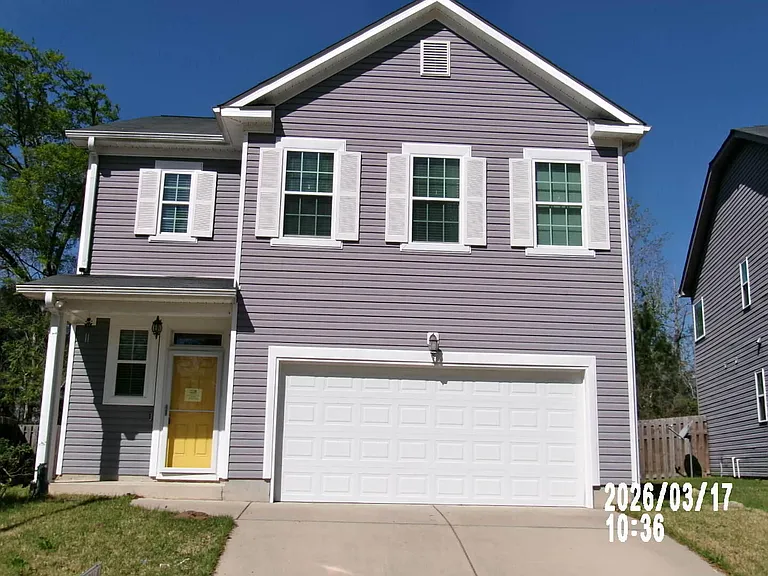
Real closing example — Georgia
No Personal Income Needed for This Rental Purchase
This example is from Grovetown, Georgia, not Toledo. See how an investor used the property’s estimated $1,826 monthly rent to qualify for an $184,000 DSCR loan at 7.49% with no prepayment penalty—and how the deal pencils to approximately $205.83 monthly cash flow before other operating expenses.
DSCR and Investor Loan Guidance
Talk Through DSCR Loan Options With Lyndi Gajan
Real estate investors can work with Lyndi Gajan to talk through DSCR loan questions, rental income scenarios, refinance options, and investor documentation before choosing a loan path.
Lyndi Gajan NMLS ID 88249. 360 Mortgage Inc. NMLS ID 80777. Loan availability, licensing, and guidelines vary by state, property, and loan purpose.
Request your Toledo investment financing review
Share the address, supported rent and intended use so Lyndi can review documentation and eligible options.
Frequently asked questions about Toledo DSCR loans
Which Toledo rentals are covered by the local lead-safe program?
The city states that residential rentals with one to four units built before 1978 must obtain and maintain a Lead-Safe Certificate. Verify the exact property’s requirements.
Does applying establish that a Toledo unit can be rented?
Do not assume that an application is the same as a valid certificate. Confirm current city instructions and the property’s status before relying on occupancy.
Is a lender appraisal a substitute for lead-safe documentation?
No. Appraisal, condition inspection and city certification serve different purposes.
Can two vacant months materially change rental cash flow?
Yes. Payments and other ownership costs continue during vacancy. Model the anticipated tenant-ready period and preserve cash for delays and repairs.
Does certification authorize any short-stay use?
No. Check rental-use permissions, insurance, association restrictions and lender acceptance separately.
Can a family-occupied unit fit the scope of this guide?
This guide excludes occupancy by the borrower or immediate family. Disclose such plans for a different financing and licensing review.
Sources and review notes
Reviewed October 13, 2026. Population is the Census metro estimate for July 1, 2025. Numerical examples are hypothetical, not local transactions, rent estimates or current loan quotes.