

Review Cincinnati business-purpose rental financing with supported income and property-specific operating checks.
Review your rental scenario Call 816-792-2360
Finance the Ohio property rather than the entire tri-state label
Cincinnati’s rental market is often discussed as a tri-state region, but a mortgage is secured by a particular property in a particular state. This guide addresses Ohio-side investments. A building in Northern Kentucky or southeastern Indiana needs its own state eligibility and operating review, even if the listing describes it as part of Greater Cincinnati.
An eligible business-purpose DSCR program may evaluate supported property rent rather than personal income under its selected method. Credit, cash, reserves, appraisal, condition and actual use still require review. Tell Lyndi the complete address before comparing options. This guide excludes occupancy by the borrower or immediate family. A duplex with a relative in one unit cannot simply be presented as an entirely non-owner-occupied investment. Ownership through an LLC does not resolve that distinction or remove the need to document the genuine purpose of the loan.
Use the metropolitan population carefully
The Census July 2025 estimate for the Cincinnati, Ohio–Kentucky–Indiana metro is 2,312,858 residents. That total includes territory in three states and is not a count of Cincinnati city residents or of the Ohio portion alone. It provides regional context for this metro guide without extending this guide’s financing scope across state lines.
For rental comparisons, narrow the evidence to properties that compete with the subject on location, building type, condition and lease arrangement. Explain any crossing of a jurisdictional boundary rather than assuming comparable regulations and expenses. A Cincinnati annual-lease duplex and a furnished rental advertised toward a regional event may share a metro label but have substantially different costs and income evidence. Record observed asking rents separately from executed leases and lender-supported income. A larger regional population does not guarantee demand for a particular home or support an aggressive nightly-rate forecast.
Registration and targeted inspection should be checked separately
Cincinnati’s property-maintenance resources distinguish Residential Rental Registration from Residential Rental Inspection. Registration helps identify owners and local contacts; the inspection program applies additional oversight based on its criteria. Obtain the records relevant to the subject rather than assuming the two processes are the same or that a registration entry proves every condition has been cleared.
Ask whether the city has outstanding notices, whether an inspection certificate is required and whether the seller’s portfolio history affects the subject’s status. Arrange access for independent inspection and document work needed to address findings. Put the administrative steps in the acquisition schedule. A lender’s appraisal is an underwriting document, not a substitute for city compliance records. If a property has been vacant or operated informally, identify which approvals and records are needed before relying on the planned tenant-start date.
Review the published inspection areas without turning them into a ranking
The city’s Residential Rental Inspection page lists seven active neighborhoods: Avondale, Clifton-Fairview-University Heights, College Hill, East Price Hill, Madisonville, West Price Hill and Westwood. It also explains circumstances in which an owner’s other city properties can be reviewed. Check current applicability with Buildings and Inspections for the exact address and ownership facts.
This information is a compliance checkpoint, not a declaration that every property in a named neighborhood is subject to a particular order or that a neighborhood is a poor investment. Avoid drawing tenant or quality assumptions from the program label. Inspect the individual building, review documented conditions and select rental comparisons based on objective property features. A well-organized acquisition file identifies the actual outstanding issues, their repair cost and the process for clearing them. That is more useful than applying a broad neighborhood score without evidence.
Build a rent file that explains the lease structure
For a Cincinnati duplex or small rental building, collect leases, collection history, expiration dates, concessions and the security-deposit information that the closing team needs. Identify which unit pays which utilities. Ask the lender how it will compare contractual rent with its appraisal evidence and whether the proposed operation meets program requirements.
If the building contains a furnished unit, room rentals or short stays, do not combine projected revenue with annual-lease rent without an explanation. Provide the actual duration and operating plan. Check zoning, municipal requirements, association restrictions and insurance separately. A landlord’s expected revenue is not necessarily qualifying rent. For a vacant unit, use appropriate market evidence and make the uncertainty visible. Our rent qualification guide helps organize the distinction between a documented lease, a rent estimate and income a lender accepts.
Run the financing ratio and the ownership budget side by side
Ask which payment components the DSCR program includes. A common residential approach compares supported rent with principal, interest, taxes, insurance and applicable association charges. Do not rely on a principal-and-interest-only payment if the quote has not included the other required expenses.
For a hypothetical Cincinnati rental, $2,100 of supported monthly income against a $1,680 qualifying payment produces 1.25 coverage. Those numbers illustrate arithmetic and do not represent a local rent estimate, current quote or approval threshold. The apparent $420 monthly margin comes before management, vacancy, maintenance and future replacements. If the verified insurance and tax assumptions increase the payment by $170, coverage falls to about 1.14. That change removes $2,040 of annual margin. Review our DSCR requirements resource while confirming the actual program method and complete subject-property costs.
Allow for turnover that crosses a city-compliance deadline
A rental turnover may require more than cleaning and new marketing photographs. The inspection findings, permits where applicable, contractor schedule and compliance documentation can affect when the unit is ready. Ask which tasks must precede occupancy and which can reasonably occur while another unit remains leased. Protect existing tenants’ access and services throughout planned work.
For illustration, two vacant months at a hypothetical $2,100 monthly rent reduce annual collections to $21,000. Twelve $1,680 payments total $20,160, leaving only $840 before operating costs. Even a modest repair project can make that year cash-flow negative. This is a stress test, not a prediction for Cincinnati. Obtain quotes for the subject’s work and calculate the funding requirement during the delay. Keep the reserve needed for the property separate from the money you intend to use as the next investment’s down payment.
Inspect the expensive systems behind an attractive renovation
When a Cincinnati listing emphasizes updated interiors, review the roof, heating and cooling, electrical service, plumbing, drainage and any retained older systems. Ask for permits and warranties relevant to previous work. A cosmetic renovation does not determine the useful life of the underlying equipment. Have qualified inspectors assess the condition and identify matters requiring specialist review.
Translate the findings into a staged ownership budget. Immediate work, likely replacements and optional improvements should be separately identified. If the loan program requires rent-ready condition at closing, discuss unfinished repairs before assuming they can be addressed later. Obtain an insurance quote using the actual building description and lease plan. Where the owner pays utilities, include the documented cost in the operating forecast even if the lender’s DSCR method does not deduct that cost from rent. Financing and operations should tell a consistent story.
Refinance for a defined benefit rather than a larger check
A Cincinnati cash-out refinance can provide capital, but it also increases the obligation left on the rental. Review existing payment, remaining term, current balance, closing costs and any prepayment conditions alongside the amount released. Confirm appraisal, ownership history and seasoning before committing expected proceeds to another purchase.
For a hypothetical comparison, $2,100 supported rent divided by a $1,680 payment is 1.25. A new payment of $1,950 lowers coverage to approximately 1.08 and consumes another $270 per month. Decide whether the planned use of proceeds justifies that ongoing effect. If one unit has a lease expiring soon or a system needs replacement, reserve money for those subject-property needs first. Our cash-out financing guide helps frame the transaction around both the capital received and the cash-flow capacity retained.
Make the offer and financing deadlines support investigation
Before agreeing to a closing schedule, identify the time needed to investigate city status, verify leases, obtain insurance and resolve title or unit-count questions. Work with your real-estate and closing professionals on the contract provisions. A rushed date may leave the lender evaluating a property with missing records rather than a settled investment plan.
For a small portfolio acquisition, separate the file for each address. Shared ownership does not make every building’s inspection history, insurance or rental income identical. Ask which property-specific issue could prevent the desired program from fitting. Keep a written list of outstanding records and the responsible contact. This approach is especially valuable where registration and targeted inspection requirements have been conflated in a seller’s explanation. The goal is a documented decision, not a large collection of unverified attachments.
Send a complete Ohio-side Cincinnati scenario
Provide the address, purchase price or estimated value, loan request, lease plan, rent evidence, tax information, insurance quote, utilities, association dues, occupancy, repairs and funds available after closing. Include city registration or inspection records relevant to the building. For an entity borrower, organize ownership records and signing authority.
Use our Ohio DSCR hub and reserve guide to prepare the conversation. The Dayton guide supplies another Ohio investment context; Kentucky and Indiana properties need their own review. Blue Castle’s landlord and leasing education can help organize questions for local providers without implying Cincinnati management services. Actual loan availability and terms remain subject to the property’s details, genuine purpose, borrower information and lender review. No local closing is represented by the hypothetical examples in this guide.
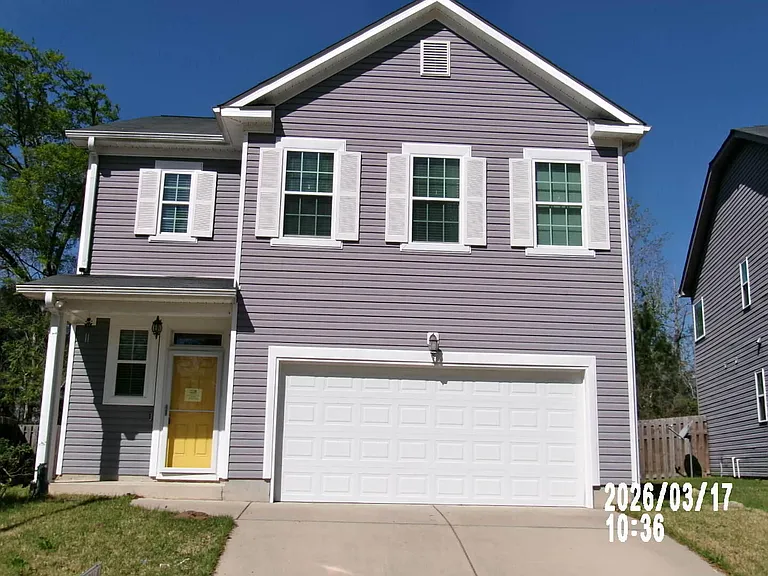
Real closing example — Georgia
No Personal Income Needed for This Rental Purchase
This example is from Grovetown, Georgia, not Cincinnati. See how an investor used the property’s estimated $1,826 monthly rent to qualify for an $184,000 DSCR loan at 7.49% with no prepayment penalty—and how the deal pencils to approximately $205.83 monthly cash flow before other operating expenses.

DSCR and Investor Loan Guidance
Talk Through DSCR Loan Options With Lyndi Gajan
Real estate investors can work with Lyndi Gajan to talk through DSCR loan questions, rental income scenarios, refinance options, and investor documentation before choosing a loan path.
Lyndi Gajan NMLS ID 88249. 360 Mortgage Inc. NMLS ID 80777. Loan availability, licensing, and guidelines vary by state, property, and loan purpose.
Request your Cincinnati investment financing review
Share the address, supported rent and intended use so Lyndi can review documentation and eligible options.
Frequently asked questions about Cincinnati DSCR loans
Does this Cincinnati guide cover properties in Kentucky or Indiana?
No. It addresses Ohio-side properties. A cross-border address needs its own state eligibility and local operating review.
Are Cincinnati rental registration and rental inspection the same?
No. The city’s resources distinguish registration from its Residential Rental Inspection program. Verify each applicable process for the subject property.
Does a listed inspection neighborhood prove a property has violations?
No. Investigate the individual property’s records and current program criteria rather than drawing a conclusion from a neighborhood label.
Can projected short-stay income be treated as annual lease rent?
No. Disclose the intended rental arrangement and ask which evidence the lender accepts. Verify local authorization, insurance and operating expenses separately.
Can family occupancy fit the non-owner-occupied Ohio scope?
This guide excludes occupancy by the borrower or immediate family. Disclose any such plan for a separate financing and licensing review.
Are the financing examples Cincinnati transactions?
No. They are hypothetical calculations. The real case study is separately identified as a Georgia closing.
Sources and review notes
Reviewed October 13, 2026. Population is the Census metro estimate for July 1, 2025. Numerical examples are hypothetical, not local transactions, rent estimates or current loan quotes.