Prepare a genuinely non-owner-occupied Connecticut rental investment for a property-specific DSCR financing review.
Discuss your investment with Lyndi Gajan · Call 816-792-2360
Business-purpose rental financing has a defined scope
An eligible debt service coverage ratio program may evaluate supported rental income under the selected lender’s method. Borrower credit, cash, reserves, appraisal, title, condition, insurance and actual use remain part of the review. This guide concerns genuine business-purpose property financing, not an owner-occupied home purchase, personal-use vacation home or undisclosed mixed-purpose loan.
Connecticut’s mortgage broker and originator definitions in §§36a-485–486 refer to residential mortgage loans defined through personal, family or household purpose. Its separate commercial financing framework addresses sales-based financing and includes an exclusion for persons or providers brokering transactions secured by real property. These scope distinctions require accurate facts about the transaction. Entity formation alone does not establish purpose, and a lender’s acceptance is a separate requirement.
Start with the municipality and legal unit count
A Connecticut metropolitan label is not a substitute for the property’s city or town. Hartford’s rental licensing resources describe a license for each building containing at least three units and explain a separate apartment-occupancy process. Confirm the requirements and current records for the actual address rather than applying the Hartford checklist to neighboring municipalities.
Ask the seller for licenses, applicable occupancy records, notices, leases, unit descriptions and permit history. Investigate any discrepancy between physical layout and recognized units. A lender appraisal does not establish local operating approval. Keep those reviews in the acquisition timeline before relying on the date the property will begin producing rent.
Coverage does not equal net cash flow
Ask which rent evidence and qualifying payment components the program uses. A residential DSCR calculation commonly compares supported monthly rent with principal, interest, taxes, insurance and applicable association charges. Management, vacancy, utilities, maintenance, leasing and replacements can still reduce the cash left to an owner.
For illustration, $3,000 of supported rent against a $2,400 qualifying payment yields 1.25. One vacant month reduces annual collected rent to $33,000 while twelve payments total $28,800. The $4,200 remainder precedes all other operating expenses. These figures are hypothetical, not Connecticut rents, advertised thresholds or a loan quote.
Prepare the building’s actual operating costs
Identify who pays heat, hot water, electricity, water and other services. Request actual bills where possible. Inspect major systems and obtain written quotes for known work. Obtain insurance for the intended rental operation and verify taxes for the post-purchase estimate. A seller’s cost summary may not reflect the new owner’s policy, loan or operating plan.
Preserve cash for turnover and major replacements after the down payment. For a vacant acquisition, budget the full period from possession through inspections, necessary work, cleaning, marketing and tenant move-in. For a refinance, compare both proceeds and the continuing payment, and document the genuine business use of funds.
Connecticut metro guides
Use the locally sourced investor guides below to organize municipal and financing questions.
- Hartford DSCR investor guide — triplex licensing and heating-cost review.
Related resources and next step
Send the address, price or value, loan request, lease plan, rent evidence, unit count, occupancy, taxes, insurance, utilities, repairs and funds available. Loan availability and terms require lender and transaction review.
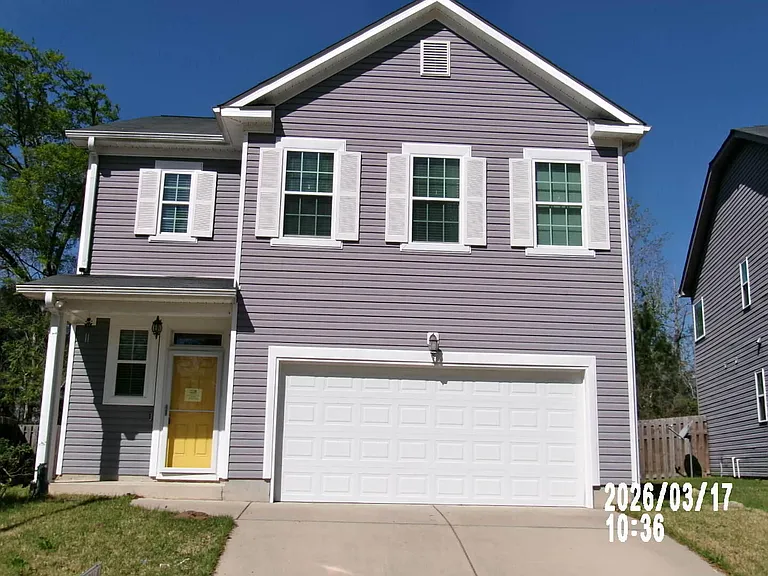
Real closing example — Georgia
No Personal Income Needed for This Rental Purchase
This example is from Grovetown, Georgia, not Connecticut. See how an investor used the property’s estimated $1,826 monthly rent to qualify for an $184,000 DSCR loan at 7.49% with no prepayment penalty—and how the deal pencils to approximately $205.83 monthly cash flow before other operating expenses.

DSCR and Investor Loan Guidance
Talk Through DSCR Loan Options With Lyndi Gajan
Real estate investors can work with Lyndi Gajan to talk through DSCR loan questions, rental income scenarios, refinance options, and investor documentation before choosing a loan path.
Lyndi Gajan NMLS ID 88249. 360 Mortgage Inc. NMLS ID 80777. Loan availability, licensing, and guidelines vary by state, property, and loan purpose.
Primary sources and review notes
Reviewed October 13, 2026: Connecticut §§36a-485–486; commercial financing definitions and exclusions, §36a-861; Department of Banking commercial financing resources. This resource does not cover personal-purpose mortgage origination or sales-based business funding.
Frequently asked questions about Connecticut DSCR loans
Can rental income be the main qualifying evidence?
An eligible DSCR program may evaluate supported property income. Credit, assets, reserves, appraisal, condition, genuine purpose and lender review still matter.
Does a qualifying ratio establish net rental profit?
No. Vacancy, management, utilities, maintenance, leasing and replacements can reduce the owner’s cash flow beyond the qualifying payment.
Does an LLC alone establish a licensing exemption?
No. Actual purpose, use and occupancy must be documented. Entity formation does not settle underwriting or applicable requirements.
Does mortgage approval settle municipal rental compliance?
No. Confirm local registration, licensing, inspections, legal units and rental-use requirements separately for the actual address.