
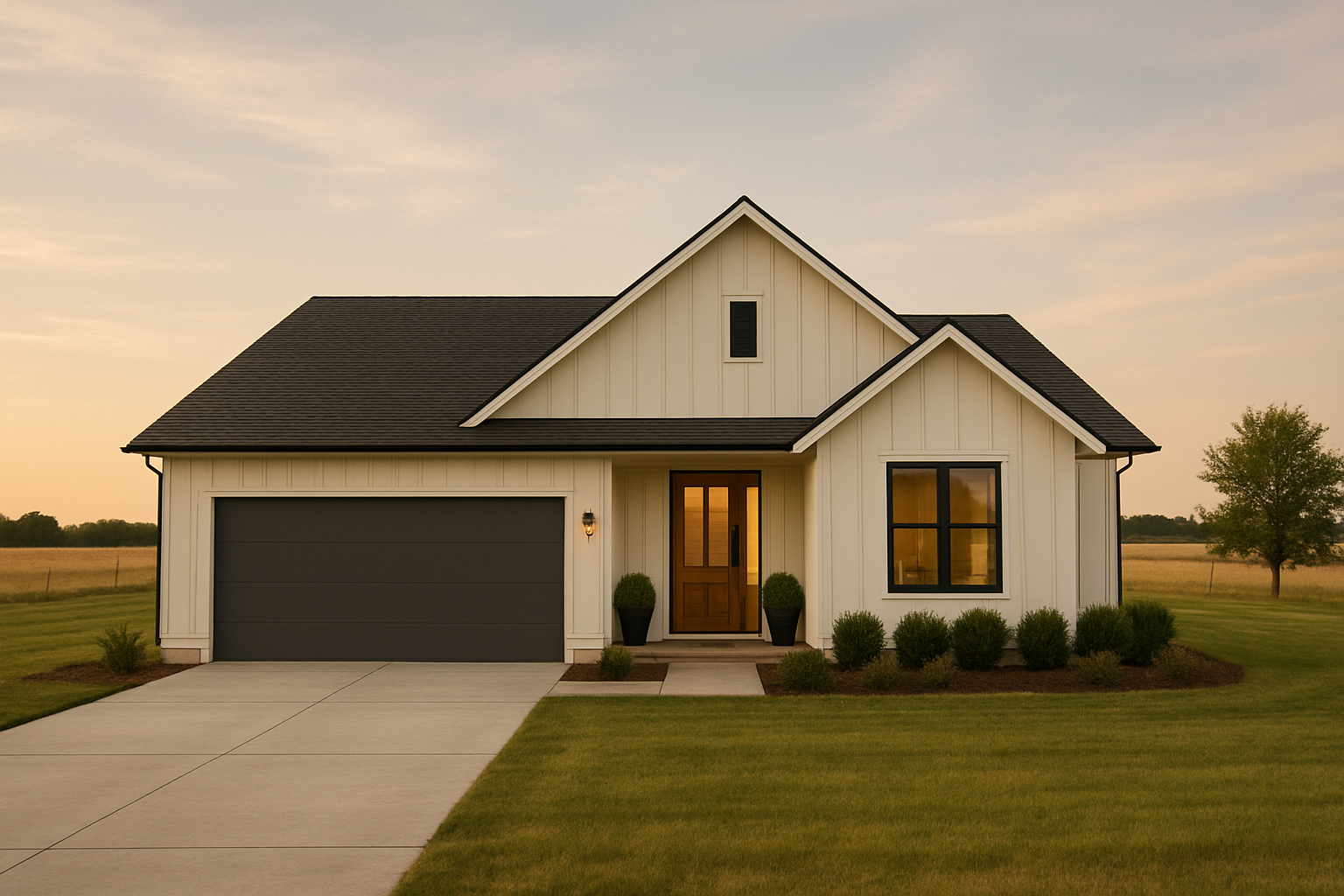
What Is a USDA Loan?
A USDA loan is a mortgage backed by the U.S. Department of Agriculture and offered through approved lenders. The USDA program is designed to promote homeownership in eligible rural and certain suburban areas.
USDA loans are generally intended for primary residences and require that the property be located in an eligible area as defined by USDA guidelines.
USDA Loan Eligibility Basics
USDA eligibility is based on several factors, including property location, household income, and borrower qualifications. Both borrower and property must meet USDA guidelines.
- Property location: The home must be in a USDA-eligible rural or suburban area.
- Income limits: Household income must generally fall within USDA limits for the area.
- Primary residence: USDA loans are for owner-occupied homes.
- Credit and repayment ability: Lenders review income, debts, and overall ability to repay.
- Citizenship or residency: Borrowers must meet USDA eligibility requirements.
USDA Loan Benefits
- Low or no down payment options for qualified buyers
- Competitive interest rates supported by government backing
- Lower upfront costs compared to many traditional loans
- Flexible credit guidelines for eligible borrowers
- Affordable monthly payments when structured properly
USDA Income Limits
USDA loans have household income limits that vary by location and household size. Income limits are designed to support moderate-income buyers and can change annually.
Because limits vary by county and household composition, the most accurate way to confirm eligibility is to review your specific situation and property location.
USDA Guarantee Fees
USDA loans typically include a guarantee fee that supports the program. This fee structure is similar in concept to mortgage insurance but is generally lower than FHA mortgage insurance.
- Upfront guarantee fee: Often financed into the loan amount.
- Annual fee: Typically paid monthly as part of the mortgage payment.
- Cost considerations: Fees are generally lower than FHA MIP for many borrowers.
USDA Loans vs FHA Loans
USDA and FHA loans both offer government-backed financing, but they serve different borrower profiles. Location and income eligibility are the biggest differences.
| Category | USDA Loan | FHA Loan |
|---|---|---|
| Property location | Must be USDA-eligible area | No location restriction |
| Income limits | Household income limits apply | No income limits |
| Mortgage insurance / fees | Lower guarantee fees for many borrowers | Upfront and annual MIP required |
Who Should Consider a USDA Loan?
- Buyers purchasing in eligible rural or suburban areas
- Households within USDA income limits
- Buyers seeking low upfront costs
- First-time and repeat homebuyers who meet eligibility
- Borrowers looking for affordable monthly payments
USDA Loans by State
USDA eligibility varies by location. Use the state links below to explore USDA loan options and eligible areas as your content cluster expands.
USDA Loan FAQs
Do USDA loans require a down payment?
Many USDA loans offer low or no down payment options for eligible borrowers, depending on program rules and lender guidelines.
Are USDA loans only for farms?
No. USDA loans are for residential homes in eligible areas, which often include suburban communities outside major city centers.
How do I know if a property is USDA-eligible?
Eligibility depends on USDA maps and guidelines. We can help confirm whether a specific address qualifies.
Do USDA loans have mortgage insurance?
USDA loans include guarantee fees rather than traditional PMI. These fees are often lower than FHA mortgage insurance.
Get Started with a USDA Loan
If you’re considering a USDA loan, we’ll confirm area and income eligibility, then walk through the best structure for your situation.
Related Loan Programs
Disclosure: This page provides general information and is not a commitment to lend. Loan programs, rates, guidelines, and requirements vary by lender and are subject to change. Qualification depends on underwriting and complete documentation review.
NMLS: 80777
Licensed mortgage broker in Missouri, Kansas, and Louisiana.
Recent Comments