
DSCR Loans in Tyler, TX for Rental Investors
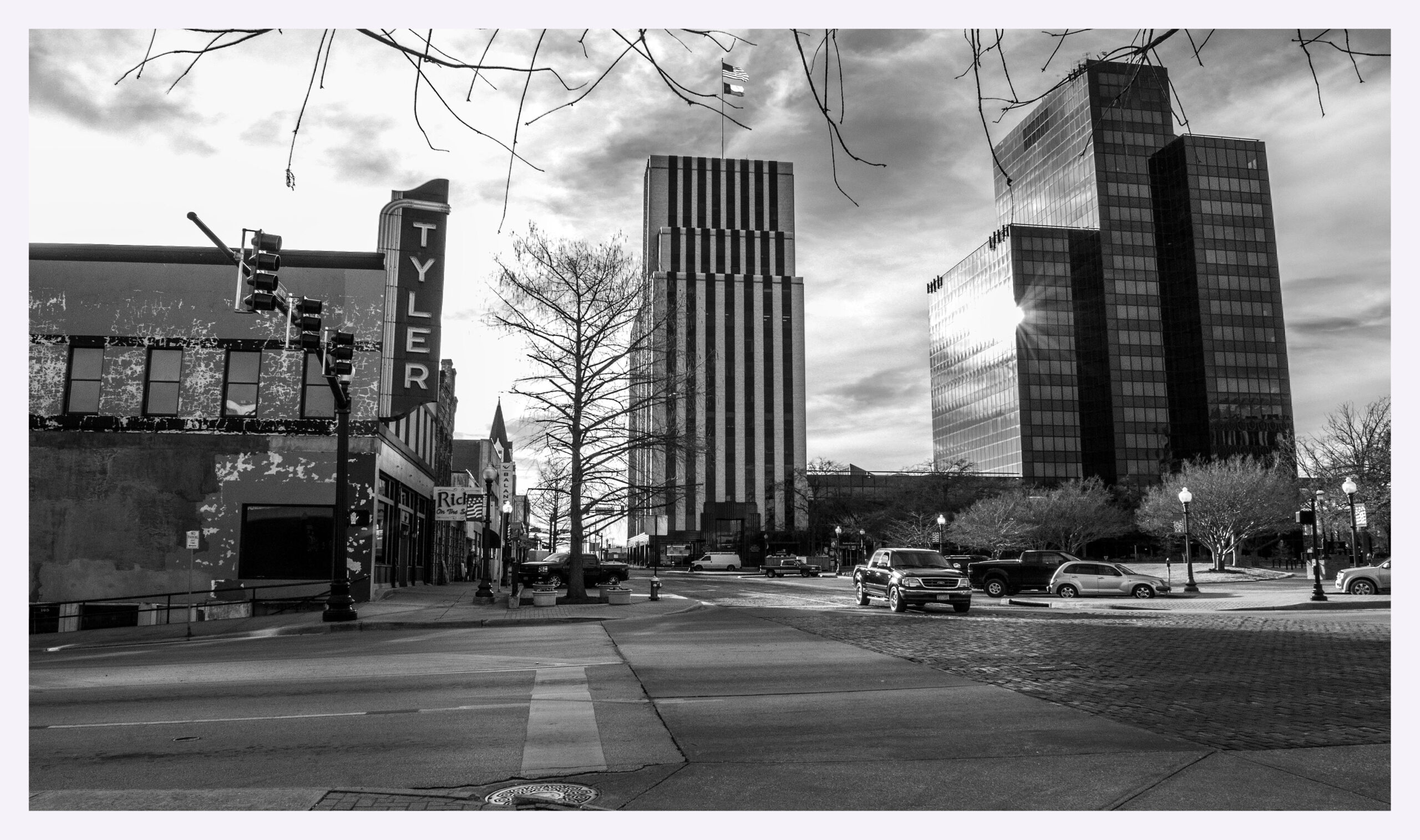
Review East Texas investment financing with supported rent, realistic ownership costs and a clear rental plan.
Review your Tyler investment with Lyndi
Tyler rental financing begins with a property and a plan
A DSCR loan can help an eligible investor finance a rental using supported property income under the selected lender’s method. It does not remove the need for credit, funds, reserves, an appraisal or a clear investment purpose. For Tyler, start with the actual address, expected lease arrangement and the costs required to make the home ready for tenants. Then review which programs fit those facts.
A purchase that works for an annual tenant may need different documentation and expenses from a furnished monthly rental. Tell Lyndi whether the property is occupied, vacant, being repaired or intended for a change in use. Identifying these details at the beginning helps avoid relying on a financing assumption that does not match the property. Review our DSCR financing explanation for the broader process.
An East Texas metro just above the population threshold
The Census Tyler metro estimate reported through FRED is 252,549 residents for July 2025. This is a metropolitan estimate, not the population of the city of Tyler and not a forecast of demand for a specific rental. It provides context for this guide while the investment decision remains tied to the subject property’s supported income and expenses.
The University of Texas at Tyler lists its main campus and Health Science Center as separate locations. Its Health Science Center address is on U.S. Highway 271. For a rental selected around university or medical access, confirm the destination tenants actually need. A property described broadly as near UT Tyler may not offer the commute you assumed.
Build rental comparisons around location, bedroom and bathroom count, condition, parking and lease duration. Identify who pays utilities and whether furnishings are included. Do not combine unrelated annual and furnished asking rents into a single optimistic average. Record the evidence and ask which income documents the lender accepts.
Annual, student-oriented and furnished rental strategies
For an annual lease, focus on supported whole-home rent, tenant transition and the recurring operating budget. A straightforward lease does not mean there will be no vacancy or maintenance. Include the cost of preparing the property between tenants, and check whether an existing lease carries concessions or obligations that affect the first year of ownership.
For a university-oriented rental, examine lease timing and turnover rather than assume that an institutional location guarantees occupancy. Decide whether the home will use one agreement for a group or separate room leases. Disclose the intended arrangement to the loan team and independently verify occupancy, parking and association restrictions applicable to the address.
For furnished stays, identify a plausible use and obtain evidence suited to it. Furniture, utilities, internet, cleaning and more frequent turnover can absorb a premium in gross rent. Do not treat a monthly furnished asking price as equivalent to the income of an unfurnished annual lease. Model an annual-lease fallback if the furnished plan is still unproven.
Illustrative purchase: work through the margin
Imagine a hypothetical Tyler rental with supported monthly rent of $1,900 and a proposed principal, interest, tax and insurance payment of $1,520. The simple ratio is 1.25. These figures demonstrate DSCR arithmetic; they are not Tyler market rents, current rates or a guarantee of approval. Confirm the lender’s denominator and supported-income method for the actual program.
Rent less that payment is $380, before operating costs. Illustrative allowances of $95 for vacancy, $152 for management, $100 for maintenance and $100 for capital replacements total $447. That creates a $67 monthly shortfall before additional expenses. A ratio that looks comfortable on paper can therefore describe a rental that needs a different price, payment or operating plan.
Stress the same property with supported rent of $1,800 and a payment of $1,600. The ratio is 1.125, approximately 1.13, and the margin before operating costs is $200. Decide whether your reserves and investment objectives support that outcome. Our DSCR calculator helps with the loan ratio; net operating cash flow needs a separate worksheet.
Down payment and funds left after closing
On an illustrative $260,000 purchase, a 25% down payment would be $65,000. A specific program may have another loan-to-value requirement. Closing costs, prepaid items, repairs and reserves sit on top of the down payment. Get the actual program estimate before assuming the cash needed is limited to the equity contribution.
Keep funds available after the home closes. Repairs, vacancy and a large deductible can arrive before the property’s income has built a cushion. If every dollar is committed to the acquisition, a routine ownership issue may force expensive borrowing or delay necessary work. Separate closing funds from the ongoing operating reserve.
Document the source and availability of funds early. Transfers, business accounts and sale proceeds may require records. If the property will be held in an entity, clarify who owns and controls the funds. Read our DSCR requirements guide, then follow the selected lender’s checklist.
Condition: inspect what the rent estimate assumes
Walk the home with a rent-ready checklist. Review the roof, heating and cooling, plumbing, electrical systems, drainage, appliances and visible signs of deferred maintenance. Ask qualified inspectors or trades to investigate issues appropriate to the property. Attractive listing photographs should not replace an inspection or written repair estimates.
If the proposed rent depends on improvements, identify their scope, cost and completion date. A standard stabilized DSCR loan should not be assumed to fund a major rehabilitation or accept every distressed home. Ask whether the current condition meets the program and what work must happen before closing.
Budget carrying costs while the home is vacant or being repaired. Payments, taxes, insurance, utilities and upkeep can continue without rent. A realistic timeline helps determine the cash needed after acquisition. For an occupied property, review repair promises and tenant requests so existing obligations are not omitted from the plan.
Property taxes, insurance and association dues
Use the seller’s tax bill as a research starting point, then estimate taxes for your ownership and rental use. Seller exemptions may not describe your circumstances. Confirm assessment information with the appropriate local source and label figures that are not yet verified. An understated tax estimate can change both financing and investment cash flow.
Obtain an insurance quote for the actual rental arrangement. Describe the occupancy, condition, roof, furnishings and lease duration honestly. Ask about deductibles, liability and exclusions. The seller’s current premium may reflect a different policy or occupancy, so it should not silently become the investor’s forecast.
Review association documents where applicable. Confirm dues, rental limitations, approvals and known assessments. Lender acceptance does not override association restrictions. Include required recurring charges in the loan discussion and budget other ownership costs separately.
Tyler short-stay taxes are one check, not the whole answer
The City of Tyler’s tax-information page directs hotel, motel and short-term rental tax payments to its designated portal. That is a tax-administration resource; it does not establish permission to operate a particular address as a short-stay rental. Verify zoning, applicable registration or permit requirements, association restrictions and insurance independently.
Ask the lender whether the program accepts the proposed rental use and which income evidence it requires. A projection with nightly rates should include booked nights, cleaning, platform charges, management, utilities, furnishings and reserves. Revenue is not the same as money available for loan payments.
Keep the distinction between an occasional personal stay and a genuinely non-owner-occupied investment clear. This guide does not authorize a mixed-use plan. If personal occupancy is intended, disclose it at the beginning so the financing and licensing scope can be reviewed. Our short-term rental guide covers additional financing questions.
Refinance a Tyler investment with a defined objective
A refinance should solve a specific financing need. Compare the existing balance, payment and term with the new loan, including closing costs and any prepayment penalty. A different rate alone does not describe the outcome if the amount borrowed or repayment period changes.
For illustration, supported rent of $2,100 against a $1,680 payment produces a 1.25 ratio. Increasing the payment to $1,850 through a cash-out transaction reduces the ratio to approximately 1.14 and removes $170 of monthly margin before operating expenses. The released equity should justify that ongoing effect on the rental.
Confirm value, ownership history, seasoning, condition and lease evidence before relying on a cash-out amount. Preserve reserves for the subject property even if proceeds will fund another purchase. A useful refinance plan considers the obligations left behind as well as the funds received at closing.
LLC documentation and your next review
Some programs accept eligible LLC borrowers with entity records, signing authority, ownership information and guarantees as required. An LLC does not remove property and borrower underwriting or independently establish a licensing exemption. The actual purpose and occupancy matter. This page addresses genuinely non-owner-occupied business-purpose investment financing.
Send the full Tyler address, price or value, desired loan amount, supported rent, intended lease term, taxes, insurance, association dues, occupancy, repairs, available funds and ownership structure. Distinguish documented figures from preliminary estimates. Lyndi can use that information to identify missing records and compare eligible options.
Read the Texas DSCR hub and Dallas DSCR guide for related resources. For another East Texas market, review our Longview DSCR guide and its local inspection and rental-use checks. Our LLC borrower guide helps organize vesting questions. For ongoing rental operations, review Blue Castle Management’s leasing resources alongside local service quotes and property-specific advice.
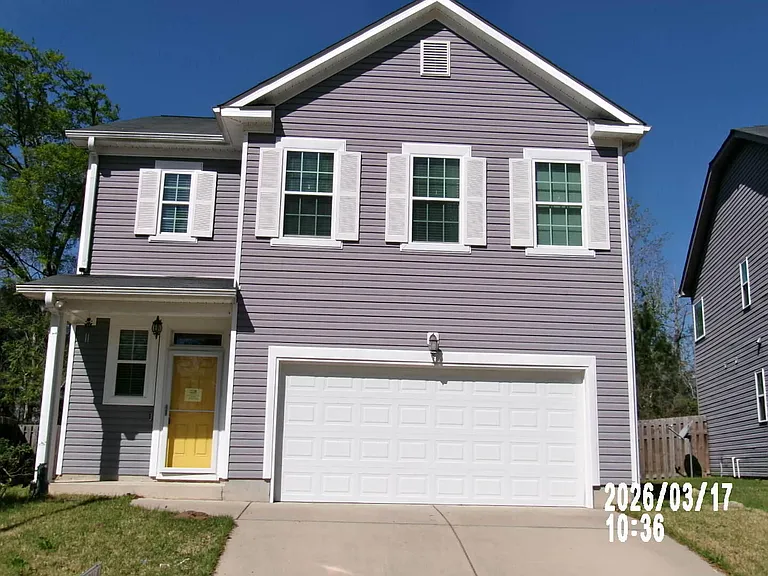
Real closing example — Georgia
No Personal Income Needed for This Rental Purchase
This example is from Grovetown, Georgia, not Tyler. See how an investor used the property’s estimated $1,826 monthly rent to qualify for an $184,000 DSCR loan at 7.49% with no prepayment penalty—and how the deal pencils to approximately $205.83 monthly cash flow before other operating expenses.

DSCR and Investor Loan Guidance
Talk Through DSCR Loan Options With Lyndi Gajan
Real estate investors can work with Lyndi Gajan to talk through DSCR loan questions, rental income scenarios, refinance options, and investor documentation before choosing a loan path.
Lyndi Gajan NMLS ID 88249. 360 Mortgage Inc. NMLS ID 80777. Loan availability, licensing, and guidelines vary by state, property, and loan purpose.
Request your Tyler investment financing review
Share the address and rental plan so Lyndi can review eligible options and the documentation path.
Frequently asked questions about Tyler DSCR loans
Can a Tyler rental qualify using property income?
An eligible DSCR program may use supported rental income, but credit, assets, reserves, appraisal, condition and the intended rental use still require review.
Are the UT Tyler main campus and Health Science Center the same location?
The university lists them separately. Check the destination and actual commute relevant to the proposed tenants before choosing rental comparisons.
Does a 1.25 DSCR guarantee a profitable rental?
No. Vacancy, management, maintenance and capital reserves can consume the margin remaining after the lender’s payment calculation.
Does the Tyler short-term rental tax portal establish permission to operate?
No. Confirm taxes separately from address-specific land-use rules, registration or permits, association restrictions, insurance and lender acceptance.
Does an LLC automatically establish a licensing exemption?
No. Ownership structure alone does not establish the loan’s purpose or licensing scope. Disclose actual use and occupancy before reviewing programs.
What should I provide for a Tyler investor loan review?
Send the address, price or value, loan request, rent evidence, rental term, taxes, insurance, dues, repairs, occupancy, available funds and entity information.
Sources and review notes
Local facts checked October 8, 2026. All examples are hypothetical, not market rent estimates or advertised loan terms.