
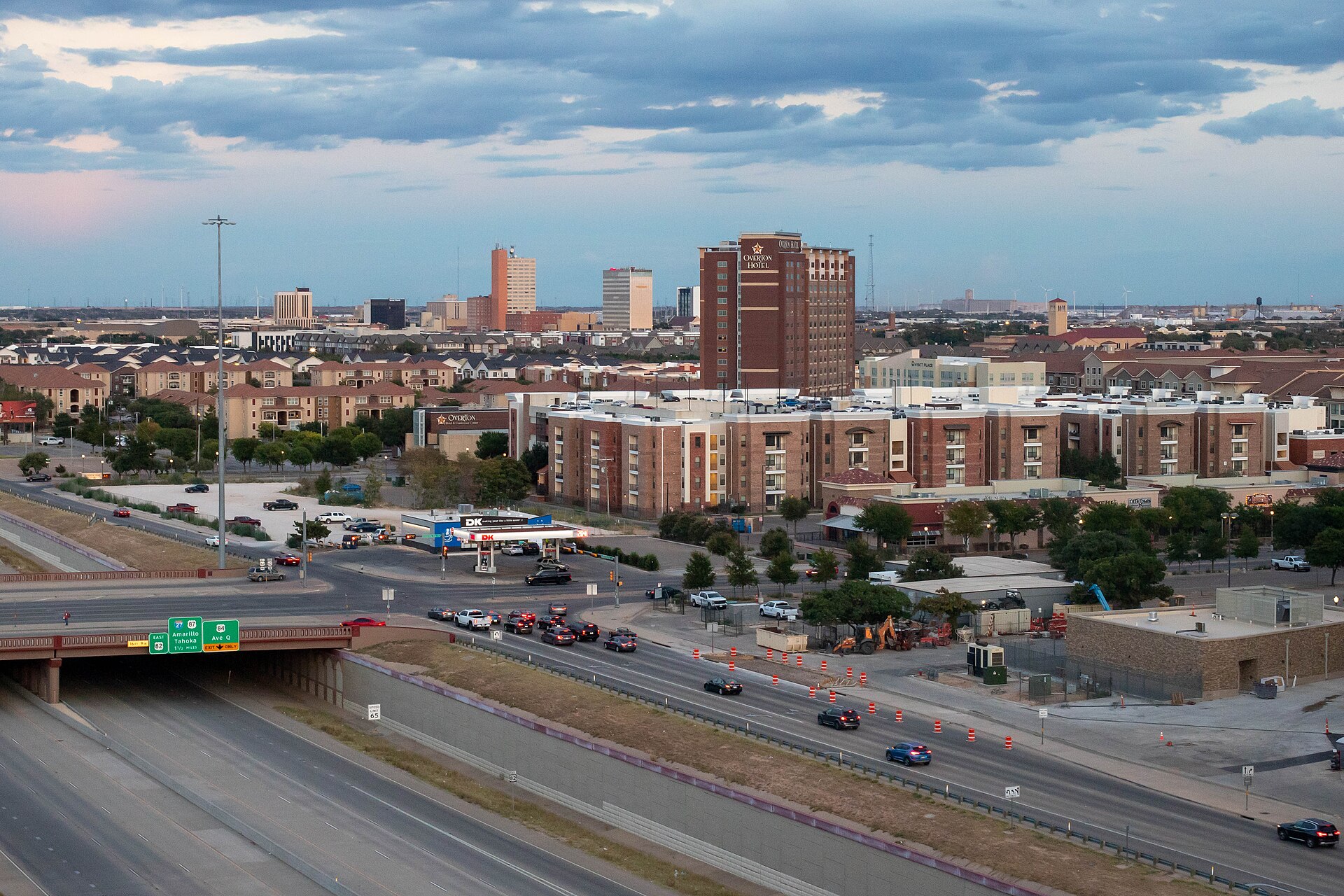
DSCR loans for Lubbock rental-property investors
Lubbock investors may encounter single-family houses, duplexes, small multifamily buildings, and rentals serving students, university employees, medical workers, and other long-term residents. The city’s rental market is influenced by Texas Tech University and its large student community, regional health-care institutions, and Lubbock’s role as a service center for the South Plains. Those features can help an investor develop questions and a property strategy, but they do not establish the rent, occupancy, value, or future performance of a particular property.
Texas Tech University reports enrollment above 42,000, making the university a significant institutional anchor. That fact can help an investor frame demand sources, but it does not replace property-level lease, market-rent, vacancy, condition, and expense analysis.
A debt service coverage ratio loan is designed for business-purpose, non-owner-occupied real estate. Instead of qualifying primarily from conventional employment income, the lender reviews whether permitted property income supports the proposed housing payment under that lender’s calculation. This guide explains the documentation, property, entity, and due-diligence questions to prepare before requesting a transaction-specific review.
How DSCR financing works
For a Lubbock acquisition, the useful starting point is the rent evidence attached to the subject property. A signed lease may describe current performance, while a vacant house or a unit turning between academic terms may depend more heavily on an appraiser’s supported market-rent opinion. The lender decides which evidence is eligible and how it is used; an investor should keep a separate operating budget for turnover, utilities, management, repairs, and vacancy.
The debt side of the calculation normally includes principal, interest, property taxes, insurance, and association dues when applicable. That makes early insurance and tax verification important in the South Plains. Credit, reserves, property condition, borrower experience, entity documents, and appraisal findings remain part of underwriting even when employment income is not the primary qualification measure.
Purchase and refinance requests need different preparation. A leased single-family purchase may focus on the executed lease and transfer condition. An LLC refinance may add payoff information, title history, entity authority, seasoning, and the reason for any requested cash out. Neither path is approved simply because a preliminary rent-to-payment calculation appears favorable.
Local investor context in Lubbock
Lubbock rental plans often need to distinguish a student-oriented lease from a conventional workforce lease. Bedroom count, parking, utility responsibility, furnishing, guarantors, turnover dates, and management intensity can differ materially. Texas Tech is a meaningful institutional anchor, but the investor still needs comparable leases that resemble the actual property and intended tenancy.
Single-family homes, duplexes, and small multifamily properties also create different maintenance and reserve needs. A house with an aging roof or HVAC system should not be underwritten like a recently renovated duplex with separate utilities. Inspection findings and realistic turnover costs belong in the operating analysis even when they do not appear in the lender’s DSCR denominator.
Local records should be checked for legal use, permits, taxes, and parcel-specific facts. If the plan involves several unrelated occupants, furnished use, or short stays, verify current city rules and any association restrictions. These checks are property diligence, not legal or investment advice, and should be completed with the appropriate local professionals.
Lubbock investor review examples
A Lubbock student-housing review
A property near Texas Tech may serve students, university employees, medical workers, or unrelated long-term tenants, but proximity alone does not prove rent. Review bedroom count, parking, lease structure, turnover timing, utility responsibility, furnishing, management intensity, and comparable leases. If several unrelated occupants are contemplated, confirm the property use and lease arrangement with the city and appropriate advisers.
South Plains property diligence
Lubbock investors should price roof, HVAC, foundation, exterior, water, and insurance questions into the property-specific review. Confirm taxes through Lubbock County records, legal use and permits through the appropriate authority, and any HOA restrictions. An illustrative purchase analysis should compare the appraisal rent schedule with the proposed payment and a separate operating budget rather than assuming university enrollment guarantees occupancy.
Property types and strategies to evaluate
Lubbock single-family rentals: Compare the lease or supported market rent with taxes, insurance, likely repairs, and a reserve plan that reflects roof, HVAC, foundation, and turnover considerations.
Duplexes and small multifamily: Verify recognized unit count, each unit’s rent evidence, utility allocation, parking, lease timing, and whether the asset remains within the lender’s permitted residential DSCR category.
Student-oriented houses: Examine bedroom configuration, occupancy structure, furnishing, utilities, guarantors, parking, academic-calendar turnover, and local use rules without assuming Texas Tech proximity assures performance.
Renovation-to-rental plans: Separate acquisition funds, construction work, permits, completion evidence, stabilization, appraisal assumptions, seasoning, and later refinance eligibility rather than treating the project as one guaranteed DSCR closing.
Furnished or short-stay use: Confirm current city and association rules plus lender documentation requirements, then budget furnishing, cleaning, utilities, management, seasonality, and vacancy independently.
Qualification considerations beyond the ratio
- Rent evidence: Existing lease, market-rent schedule, appraisal, or another lender-approved source.
- Credit: Program thresholds and pricing adjustments vary.
- Down payment or equity: Required levels depend on transaction, property, experience, credit, and lender.
- Reserves: Lenders may require documented liquid reserves in addition to closing funds.
- Property condition: Safety, habitability, deferred maintenance, and appraisal findings can affect eligibility.
- Insurance: Coverage availability and cost should be verified early, particularly where wind, flood, hail, or other hazards may affect the property.
- Entity documents: LLC operating agreements, articles, good-standing evidence, EIN records, and signing authority may be requested.
- Prepayment terms: Review any applicable prepayment provision against the expected hold or refinance plan.
Illustrative investor scenarios in Lubbock
Leased house near a university corridor: An investor considers a leased three-bedroom house whose tenants pay some utilities. The file may use the current lease if permitted, but the investor separately reviews renewal timing, parking, turnover exposure, condition, and comparable long-term leases rather than assuming the university calendar guarantees continued occupancy.
Vacant duplex with appraisal rent support: A duplex is vacant after repairs and has no current rent roll. The transaction may depend on an appraisal rent schedule and evidence that both units are legal and ready for occupancy. The investor also verifies separate utilities, insurance, taxes, remaining repairs, reserves, and a realistic lease-up plan.
LLC refinance after stabilization: A Lubbock LLC has completed repairs and placed a single-family property under a long-term lease. A refinance review can include the lease, appraisal, payoff, entity documents, title, reserve statements, credit, insurance, and seasoning. The example does not imply cash-out eligibility or a particular leverage level.
Local due diligence before relying on a Lubbock pro forma
Ask the City of Lubbock or other appropriate authority to confirm legal use and permits when the current configuration is unclear. For duplexes or converted properties, verify unit count and utility arrangements instead of relying on marketing descriptions. If the tenancy plan differs from ordinary long-term occupancy, obtain current guidance before underwriting that income.
Review Lubbock County tax records and obtain insurance terms for the exact address. Roof age, hail exposure, HVAC capacity, foundation observations, plumbing, electrical systems, and deferred exterior work may affect insurability, appraisal condition, reserves, or the investor’s repair budget. Qualified inspectors and insurance professionals should evaluate those issues.
For an occupied acquisition, reconcile leases, deposits, payment history, notices, utility obligations, and maintenance promises. For a vacant property, document completed work and remaining items. Use appraisal rent support and genuine local comparables; do not treat university enrollment or regional employment as a substitute for property-level evidence.
From initial discussion to closing
- Define the purchase, refinance, cash-out, or portfolio objective.
- Share the property address, type, occupancy, rent evidence, price or payoff, and ownership plan.
- Estimate DSCR using the lender-permitted income and proposed payment components.
- Review credit, reserves, closing funds, entity documents, insurance, and property eligibility.
- Order and review the appraisal and any required rent schedule.
- Complete underwriting and satisfy transaction-specific conditions.
- Close only if the lender approves the final documented transaction.
No step guarantees approval or a closing timeline. Material changes to value, rent, property condition, insurance, title, borrower documents, or lender requirements can change the result.

Discuss your Lubbock DSCR scenario with Lyndi Gajan
Lyndi can help an investor organize the property-income, ownership, reserves, and transaction questions that a lender may review. Any program, term, or eligibility determination depends on the complete file and current lender guidelines.
View Lyndi’s profile · Apply with Lyndi · Contact 360 Mortgage
Related DSCR investor resources
Frequently asked questions
What rent documents may support a Lubbock DSCR review?
A current lease may be relevant for an occupied property, while an appraisal rent schedule or other lender-permitted market-rent evidence may be important for a vacant or turning unit. The lender determines which figure is eligible and whether adjustments apply.
How should a Lubbock student-oriented rental be evaluated?
Review legal use, occupancy structure, bedroom count, parking, utilities, furnishing, lease dates, turnover, management needs, and comparable leases. Proximity to Texas Tech does not guarantee occupancy or establish the rent used by a lender.
Can a Lubbock LLC refinance a stabilized rental?
Some DSCR programs permit eligible business entities. A review may include the lease, appraisal, payoff, title, entity authority, guarantor information, reserves, credit, insurance, seasoning, and the requested refinance purpose.
Can a duplex in Lubbock qualify for DSCR financing?
A qualifying two-unit property may be considered under some programs if unit count, legal use, condition, appraisal, rent support, and other requirements are satisfied. Mixed-use or larger properties may need a different program.
What should be verified before applying on a Lubbock property?
Collect the address, lease or expected rent support, ownership plan, taxes, insurance, property condition, utility setup, available funds, reserves, and any association or use restrictions. Current local and lender requirements should be confirmed for the specific transaction.
For informational purposes only. Loan availability, terms, property eligibility, and documentation depend on the specific transaction and lender requirements. This page does not provide legal, tax, insurance, property-management, or investment advice.