
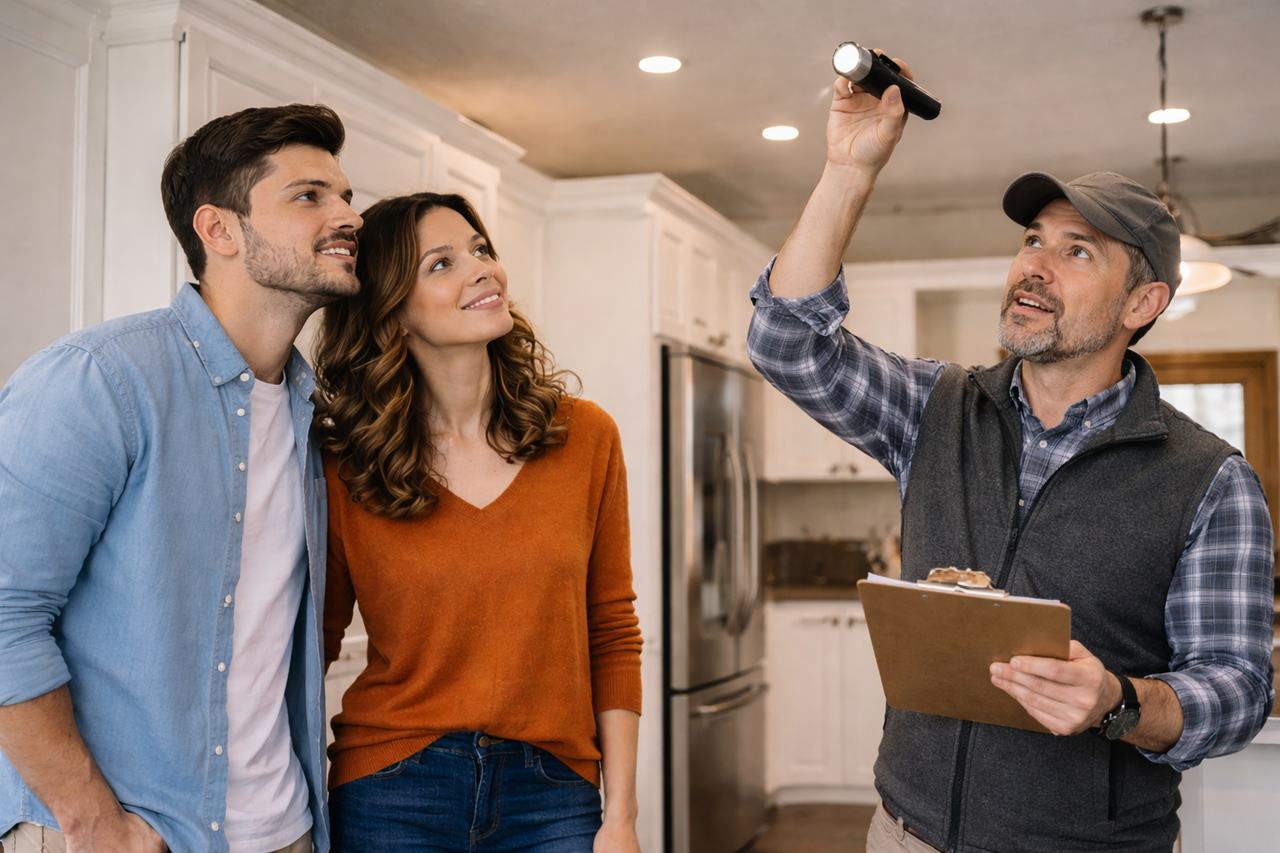
One of the biggest sources of confusion for FHA buyers is whether the loan program requires a home inspection. Many people hear about FHA property standards and assume that means FHA automatically requires a full buyer inspection. That is not exactly how it works.
That distinction matters. An FHA appraisal is not the same as a buyer’s home inspection, and relying on the appraisal alone can be a mistake.
Does FHA Require a Home Inspection?
FHA generally does not require a separate private home inspection as a condition of loan approval. Buyers can still choose to order one, and in many cases they absolutely should.
What FHA does require is an appraisal performed by an approved appraiser. That appraisal includes a review of the home for basic condition and property eligibility standards.
This page should strongly interlink with:
FHA Appraisal vs FHA Inspection
This is the key concept buyers need to understand.
Home inspection: gives the buyer a more detailed review of the home’s systems, condition, and repair risks
The appraisal protects the lender and the FHA loan program. The home inspection protects the buyer.
What the FHA Appraiser Is Looking For
During the appraisal process, the appraiser is not doing a deep diagnostic inspection. Instead, they are looking for obvious issues that affect safety, structural soundness, security, and basic livability.
Common areas of concern include:
- Roof condition
- Foundation or structural problems
- Electrical hazards
- Plumbing issues
- Water damage or drainage concerns
- Broken heating systems
- Exposed wiring or missing safety features
- Peeling paint in applicable older homes
If major issues are found, repairs may be required before closing.
What a Home Inspection Looks For
A private home inspection usually goes much deeper than the FHA appraisal review. It is intended to help the buyer understand the actual condition of the property and future repair exposure.
A full inspection may look more closely at:
- Roof age and wear
- HVAC performance
- Appliances
- Foundation movement
- Plumbing leaks
- Electrical panel issues
- Attic and insulation concerns
- Moisture intrusion
- General maintenance problems
That is why buyers should not assume an FHA appraisal tells them everything they need to know about the house.
Why FHA Inspection Questions Matter So Much
FHA borrowers are often buying with tighter cash reserves than conventional buyers. That means a property with hidden repair issues can be especially dangerous after closing.
Even if a property technically passes FHA standards, the buyer may still inherit costly maintenance or deferred repairs that were not serious enough to fail the appraisal.
Common FHA Related Property Problems
When buyers talk about FHA inspection requirements, they are often really asking what kinds of property issues tend to create trouble on FHA deals.
- Roof damage or short remaining life
- Missing handrails
- Broken windows or doors
- Exposed wiring
- Plumbing leaks
- Heating system failures
- Peeling paint
- Water intrusion or drainage issues
- Unsafe additions or obvious structural defects
These are the kinds of issues that may create repair conditions before the loan can close.
What Happens If the Home Has Problems?
If the appraiser identifies conditions that violate FHA standards, the transaction may pause until repairs are completed. In practical terms, this usually creates one of a few outcomes:
- The seller agrees to make repairs
- The parties renegotiate price or credits, if allowed and workable
- The buyer walks away and finds another property
This directly affects transaction structure and cash planning, so this page should also connect to:
Are Fixer Uppers Harder With FHA?
Usually yes. FHA tends to work best with homes that are already in reasonably solid condition. Properties with obvious deferred maintenance or safety issues are more likely to run into appraisal related conditions.
That does not mean older homes cannot work with FHA. It means buyers need to be more realistic about condition risk.
Why Buyers Should Still Get an Inspection
Even when FHA does not require a private home inspection, getting one is often the smart move. The inspection gives the buyer clearer information about what they are actually purchasing.
This is especially important for buyers stretching financially, buying older homes, or purchasing in markets where repairs after closing could create real stress.
How FHA Inspection Concerns Affect Affordability
Inspection related issues matter because repair risk affects affordability too. A buyer may technically qualify for the payment, but if the home needs several thousand dollars of work soon after closing, the monthly mortgage is no longer the only financial pressure.
That is why this page should also support:
How Credit Challenges Change the Stakes
Buyers using FHA because of lower credit, recent recovery, or manual underwriting usually have less room for surprises. That makes property quality even more important.
Relevant supporting pages include:
What If the Borrower Has Derogatory Credit?
Borrowers with recent late payments, collections, charge offs, or limited credit history may already be relying on FHA because it is the most workable approval path. In those cases, it becomes even more important not to buy a house with hidden problems that create financial stress right after closing.
- FHA With Late Payments
- FHA With Collections
- FHA With Charge Offs
- No Credit Score FHA Loan
- Non Traditional Credit FHA
- Alternative Tradelines
What If You Are Buying After Bankruptcy or Foreclosure?
For buyers returning to homeownership after bankruptcy, foreclosure, short sale, deed in lieu, or eviction, FHA may be the best route back in. But that also means it is even more important to choose a stable property and avoid repair traps that could create fresh financial strain.
Supporting pages include:
- FHA After Bankruptcy
- FHA After Foreclosure
- FHA After Short Sale
- FHA After Deed in Lieu
- FHA After Eviction
- FHA Waiting Periods After Credit Events
Best Way to Think About FHA Inspection Requirements
The clearest way to think about this is simple. FHA does not usually require a full buyer inspection, but the loan does require the home to satisfy FHA property standards through the appraisal process.
That means the buyer still needs to protect themselves separately.
- FHA requires the property to meet minimum standards
- FHA appraisal is not a substitute for a home inspection
- Buyers should still inspect the home for their own protection
- Condition issues can affect approval, negotiation, and post closing financial stress
Strategy Insight
Bottom Line
FHA inspection requirements are really about understanding the difference between the FHA appraisal and a private home inspection. FHA requires the property to meet minimum standards, but buyers should still get their own inspection to understand the full condition of the home.
Talk with a mortgage professional to review how property condition, appraisal standards, and repair issues may affect your FHA loan strategy.
Frequently asked questions
Who is FHA Inspection Requirements best for?
FHA Inspection Requirements may fit borrowers whose goals, documentation and property details line up with the program requirements. A mortgage review is the fastest way to compare options without relying on generic assumptions.
What documents should I prepare?
Most borrowers should be ready to discuss income, assets, debts, credit history, property details and the purpose of the loan. Exact documentation depends on the program and underwriting review.
What is the next step?
The next step is to talk with 360 Mortgage so the team can review your situation, explain available options and outline the application path.