
Mixed-Use Property Financing for Real Estate Investors
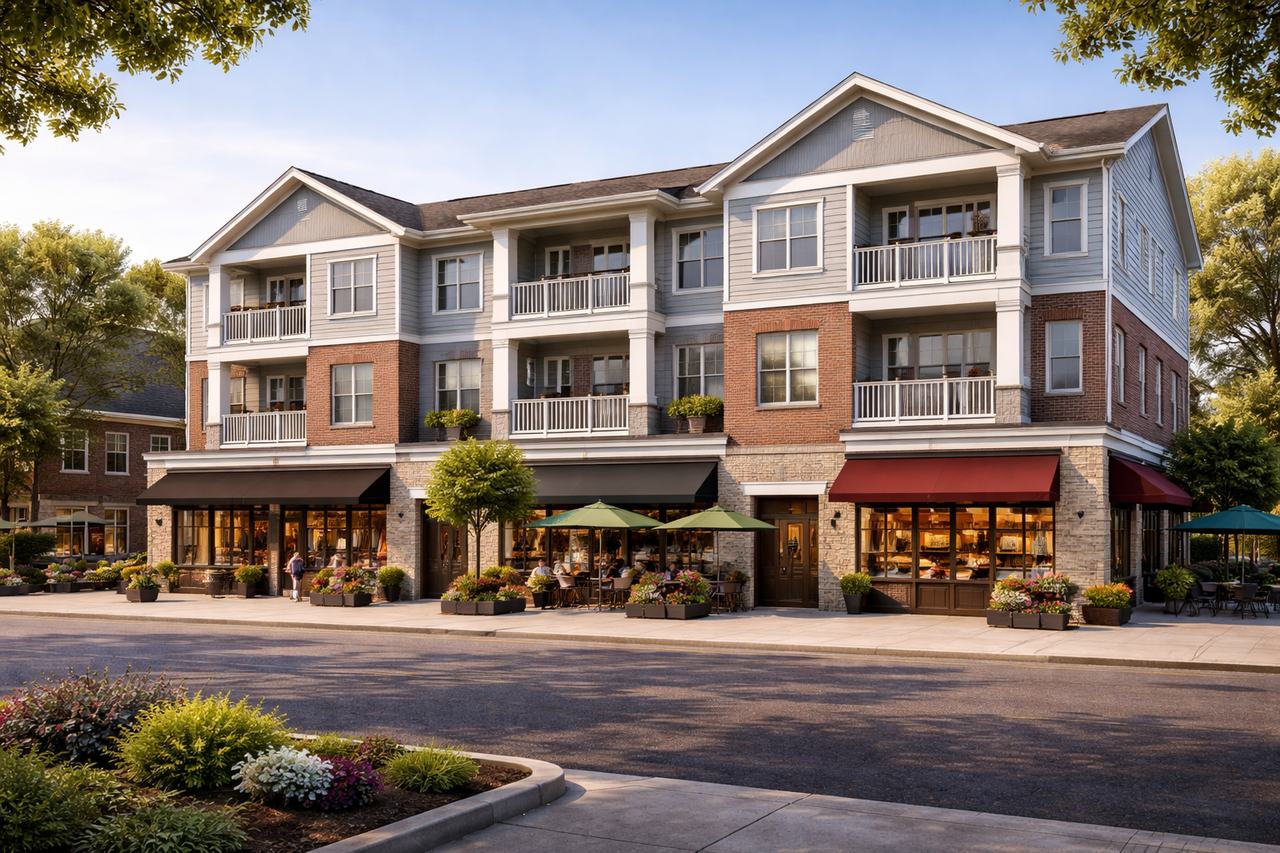
Mixed-use properties combine residential and commercial uses within a single building or development. That could mean apartments above retail, office space paired with residential units, or a combination of storefronts and rental housing. Financing these properties requires a different approach because lenders evaluate both the residential and commercial components together.
At 360 Mortgage, we help investors think through mixed-use financing based on how the property actually performs. Some smaller mixed-use properties can still fit within DSCR-style or residential-adjacent financing depending on the structure. Others require a more commercial approach, where income, tenant mix, and property stability become the primary drivers of the loan.
If you are comparing other investment property types, also review apartment building financing, small multifamily financing, and rental portfolio financing.
Mixed-use properties can offer strong upside, but they also introduce more variables. Commercial tenants behave differently than residential tenants. Lease structures differ. Vacancy risk can vary between the two sides of the property. Financing needs to account for that complexity.
Why investors target mixed-use properties
- Diversified income from both residential and commercial tenants
- Potential for stronger total revenue per property
- Commercial leases can sometimes provide longer-term stability
- Residential units can help smooth income volatility
- Opportunities for value-add through repositioning or tenant mix changes
- Strategic locations often in walkable or urban areas
What qualifies as a mixed-use property?
A mixed-use property typically includes both residential and commercial space within the same asset. The exact definition can vary depending on the lender, but the key factor is that income is coming from more than one type of use. That creates additional considerations in underwriting, especially around how much of the property is commercial versus residential.
Main mixed-use financing paths
Residential-dominant mixed-use
If the majority of the property is residential, some lenders may allow financing structures closer to residential or DSCR-style loans. This can simplify qualification in certain cases.
Commercial-dominant mixed-use
If the commercial portion is significant, the loan typically shifts into commercial underwriting. Income stability, lease terms, and tenant quality become critical factors.
Refinancing
A refinance can improve loan structure after stabilizing tenant mix, increasing rents, or improving occupancy on either the residential or commercial side.
Cash-out strategies
Mixed-use properties with improved income can create opportunities to pull equity for additional investments or property improvements.
How mixed-use financing differs from standard rental financing
Mixed-use properties are evaluated differently because they combine two distinct income types. Residential rents are typically more standardized, while commercial leases vary widely in structure, length, and stability.
- Commercial lease terms and tenant quality matter more
- Income stability may vary across units
- Expense structures can be more complex
- Vacancy risk behaves differently between residential and commercial space
- Valuation may depend heavily on income performance
Important distinction
Mixed-use financing is not just residential financing with extra space. The commercial component changes how lenders evaluate the deal. The stronger and more stable the overall income, the more financing options typically become available.
Key underwriting factors
Tenant mix
The type of commercial tenants matters. Stable, long-term tenants generally strengthen the deal compared to short-term or uncertain uses.
Lease structure
Commercial leases vary widely. Terms, renewal options, and responsibilities for expenses all impact the strength of the income.
Income consistency
Lenders evaluate whether both the residential and commercial sides of the property contribute stable, predictable income.
Property condition
Mixed-use properties can have different maintenance needs depending on use. Retail, office, and residential components may all require different capital considerations.
Mixed-use strategy for investors
Mixed-use properties can be a powerful addition to a portfolio, especially for investors looking to diversify income streams. They can perform well in strong locations where both residential demand and commercial activity support the asset. However, they also require more attention to leasing, tenant quality, and long-term positioning.
For broader scaling strategies, review scaling real estate investments and using DSCR loans to scale rentals.
Operational considerations
Managing a mixed-use property can be more complex than managing a purely residential property. Commercial tenants may have different expectations, lease structures, and build-out requirements. Vacancy in a commercial unit can take longer to fill, but strong tenants can also provide stability over longer periods.
For landlord-side decision resources, Blue Castle Management offers guidance such as What Does One Bad Tenant Really Cost?.
Insurance considerations
Mixed-use properties typically require more tailored insurance coverage because of the combination of residential and commercial risks. Coverage needs to reflect both sides of the property. For Missouri and Kansas investors, Henson Agency provides related guidance on landlord insurance.
Common mixed-use scenarios
- Retail storefront with apartments above
- Office space combined with residential units
- Repositioning underutilized commercial space
- Refinancing after stabilizing tenant mix
- Using mixed-use properties to diversify income streams
Is mixed-use a good investment strategy?
Mixed-use can be extremely effective when both the residential and commercial components are strong. But it also introduces more moving parts. The best deals are usually in locations where both types of tenants are in demand and where the property is positioned to support long-term stability.
Talk through your mixed-use financing options
If you are evaluating a mixed-use property purchase, refinance, or repositioning strategy, we can help you think through the best financing approach based on the structure of the deal.
Related pages
Licensed mortgage broker in Missouri, Kansas, and Louisiana.

DSCR and Investor Loan Guidance
Talk Through DSCR Loan Options With Lyndi Gajan
Real estate investors can work with Lyndi Gajan to talk through DSCR loan questions, rental income scenarios, refinance options, and investor documentation before choosing a loan path.
Lyndi Gajan NMLS ID 88249. 360 Mortgage Inc. NMLS ID 80777. Loan availability, licensing, and guidelines vary by state, property, and loan purpose.
Frequently asked questions
Who is Mixed-Use Property Financing for Real Estate Investors best for?
Mixed-Use Property Financing for Real Estate Investors may fit borrowers whose goals, documentation and property details line up with the program requirements. A mortgage review is the fastest way to compare options without relying on generic assumptions.
What documents should I prepare?
Most borrowers should be ready to discuss income, assets, debts, credit history, property details and the purpose of the loan. Exact documentation depends on the program and underwriting review.
What is the next step?
The next step is to talk with 360 Mortgage so the team can review your situation, explain available options and outline the application path.