
Direct answer
What should borrowers know about house hack investment loans?
House Hack Investment Loans is mainly about matching the borrower, property, loan purpose and timing to the right mortgage path. Eligibility and pricing can depend on credit profile, income documentation, debt-to-income ratio, property type, occupancy, loan amount, equity or down payment, and current program rules.
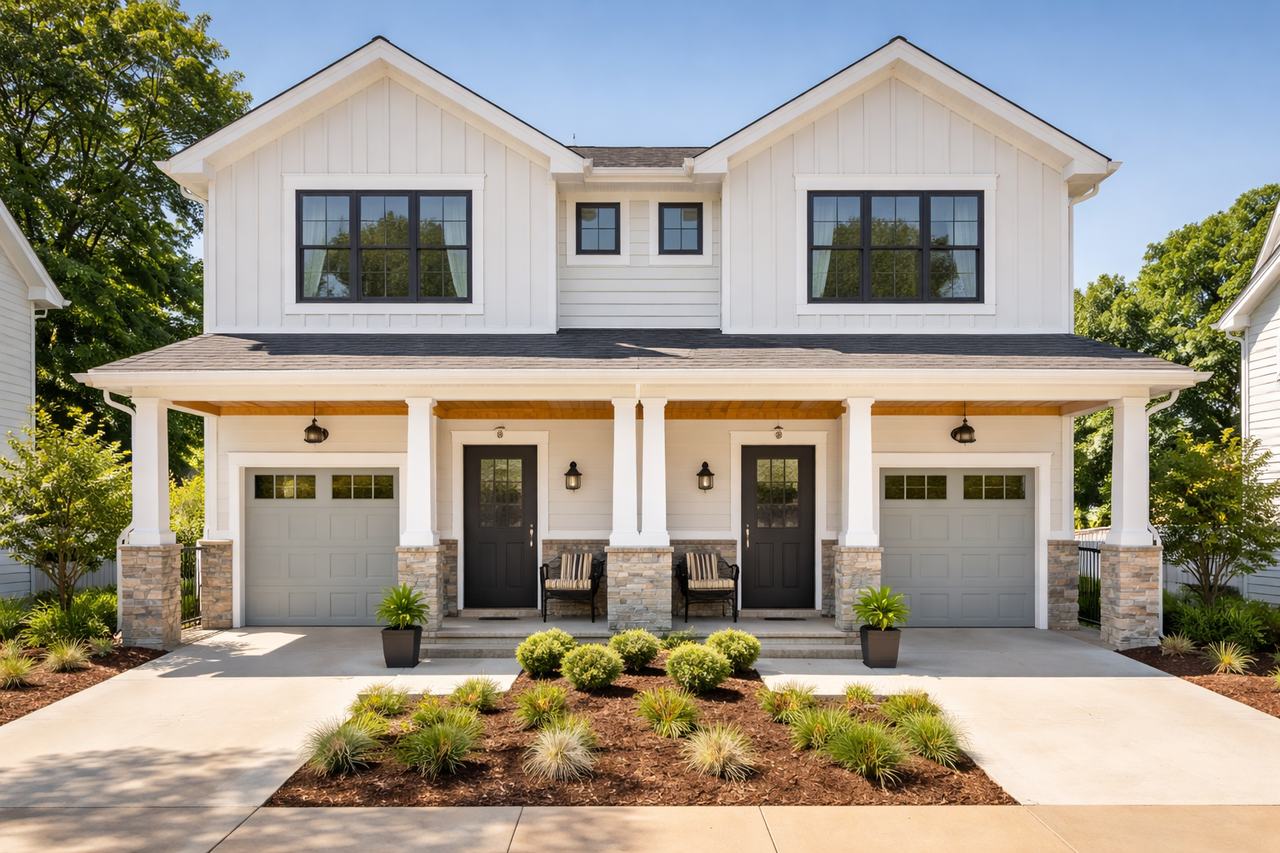
House Hack Investment Loans
House hacking is one of the most efficient ways to enter real estate investing, reduce your living expenses, and build long term wealth at the same time. The right loan structure determines how easy it is to start and how fast you can scale beyond your first property.
Many investors begin house hacking with traditional owner occupied financing. Over time, they transition into investor focused options like DSCR loans to continue growing once they move out and convert the property into a full rental.
Simple definition
House hacking means living in part of a property while renting out the rest, using that rental income to offset your housing costs or potentially eliminate them entirely.
Illustrative house-hack comparison scenario
A buyer living in one unit of a duplex may need an owner-occupied loan rather than an investor-only DSCR program. An investor buying a non-owner-occupied property can compare supported rent with the proposed payment; occupancy must be stated accurately.
Illustration only; current eligibility and terms vary. Review your situation with Lyndi Gajan.
How house hacking actually works
There are several ways to structure a house hack, depending on the property type and your comfort level with tenants:
- Living in one unit of a duplex, triplex, or fourplex
- Renting out extra bedrooms in a single family home
- Converting part of the property into a separate rental space
- Buying a property with an accessory dwelling unit
The goal is simple. Reduce your housing expense while building equity and gaining experience as a landlord.
Why it works
Your primary residence becomes an income producing asset instead of a pure expense, which accelerates both savings and investing capacity.
Best loan options for house hacking
House hacking usually starts with owner occupied financing because it offers lower down payment options and more favorable rates. Over time, the strategy often evolves into full investment financing.
Common starting point
- Primary residence loans
- Lower down payment options
- Income based qualification
- Owner occupancy required
- Best for first property
Next stage
- Convert property to full rental
- Use DSCR financing
- Qualify based on rental income
- Acquire additional properties
- Scale beyond owner occupied limits
This transition is where many investors move from a single house hack into a broader rental portfolio using strategies tied to long term rental financing and portfolio-based rental financing.
Important transition point
House hacking is often the entry strategy. DSCR financing is often the scaling strategy.
Best property types for house hacking
Certain property types are especially well suited for house hacking because they naturally support multiple income streams.
Small multifamily
Duplexes, triplexes, and fourplexes are some of the most common house hack setups. Explore options for duplex financing, triplex financing, and fourplex financing.
Single family with flexibility
Homes with extra bedrooms, basements, garages, or accessory units can also work well depending on layout and local regulations.
House hacking versus traditional rental investing
House hacking reduces your personal living expense while building equity. Traditional rental investing requires separate housing but allows full control of the asset as an investment from day one.
Many investors start with house hacking and transition into full rental ownership using strategies such as the BRRRR strategy and scaling rental portfolios with DSCR loans.
House hacking advantages
- Lower housing costs
- Faster savings rate
- Hands on landlord experience
- Lower barrier to entry
- Strong starting point for investing
Trade offs
- Shared living environment
- Less privacy
- Tenant management while living on site
- Limited scale while owner occupied
- Requires transition plan to grow
How to scale after your first house hack
The real power of house hacking shows up after the first deal. Once you move out and convert the property into a full rental, you can begin building a portfolio.
- Convert your first property into a long term rental
- Use rental income to support future financing
- Acquire additional properties using DSCR loans
- Repeat the process strategically
This is where tools like refinancing rental properties and cash-out refinancing for investors become relevant depending on your equity position and goals.
Key mindset shift
Your first house hack is not the end goal. It is the starting point for building a portfolio that eventually produces consistent passive income.
Common house hacking mistakes
Mistake one
Choosing a property that does not actually support strong rental income.
Mistake two
Underestimating the lifestyle impact of living with tenants.
Mistake three
Failing to plan the transition into full rental ownership.
Mistake four
Treating the property as a home first and an investment second.
Operational considerations
Even though you are living in the property, you are still operating a rental. Tenant screening, lease agreements, maintenance, and insurance all matter from day one.
Property management guidance
For leasing systems, tenant screening, and landlord processes, visit Blue Castle Management.
Insurance coverage
For rental and landlord insurance considerations, visit landlord insurance options.
Planning your first or next house hack?
We can help you evaluate loan options, map out your transition into investment financing, and build a strategy that supports long term portfolio growth.
Talk with 360 MortgageFinal thought
House hacking is one of the most practical ways to start investing because it combines living and investing into one move. When paired with a long term strategy and the right financing, it can become the foundation for a much larger real estate portfolio.
As you grow beyond your first property, tools like DSCR loans can help you continue expanding without being limited by traditional income based qualification.

DSCR and Investor Loan Guidance
Talk Through DSCR Loan Options With Lyndi Gajan
Real estate investors can work with Lyndi Gajan to talk through DSCR loan questions, rental income scenarios, refinance options, and investor documentation before choosing a loan path.
Lyndi Gajan NMLS ID 88249. 360 Mortgage Inc. NMLS ID 80777. Loan availability, licensing, and guidelines vary by state, property, and loan purpose.
Frequently asked questions
Who is House Hack Investment Loans best for?
House Hack Investment Loans may fit borrowers whose goals, documentation and property details line up with the program requirements. A mortgage review is the fastest way to compare options without relying on generic assumptions.
What documents should I prepare?
Most borrowers should be ready to discuss income, assets, debts, credit history, property details and the purpose of the loan. Exact documentation depends on the program and underwriting review.
What is the next step?
The next step is to talk with 360 Mortgage so the team can review your situation, explain available options and outline the application path.