
DSCR Loans in Brownsville–Harlingen, TX
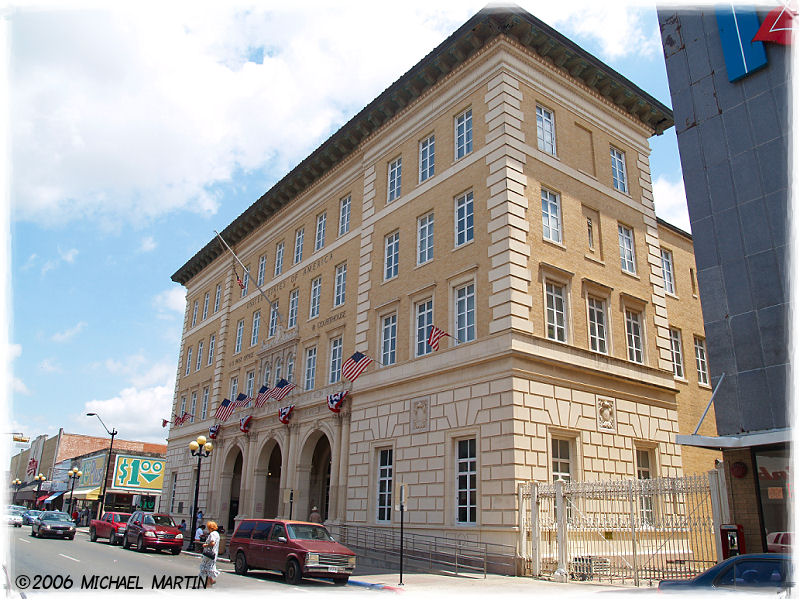
Review lower Rio Grande Valley rental financing with supported income, property-specific coverage and an annual cash-flow plan.
Review your rental investment with Lyndi
Brownsville–Harlingen DSCR financing: choose the rental use first
A rental purchase in the lower Rio Grande Valley starts with a specific address and a business plan. An eligible DSCR program may evaluate supported property income rather than a conventional personal-income calculation. The program still reviews the borrower, property, funds, reserves and transaction. Decide how the home will be leased before comparing loan options.
A Brownsville annual rental, a Harlingen furnished tenancy and a short-stay property can have different income records, operating costs and use requirements. Tell Lyndi what you intend, including current occupancy, repairs and any personal use. Our DSCR loan explanation provides the general framework, while the actual property facts determine the review.
A metro guide that keeps Brownsville and Harlingen distinct
FRED reports the Census Brownsville–Harlingen metro population estimate as 433,946 for July 2025. That is a metropolitan number, not Brownsville’s city population or a forecast of rental income. Use it as regional context and obtain comparisons suited to the home you are buying.
UTRGV lists a Brownsville campus separately from its Edinburg campus. For a university-oriented rental, check which location tenants need and the actual commute. Do not assume that every Valley property offers equivalent access. A campus reference belongs alongside specific lease comparisons, parking information and property condition.
Brownsville and Harlingen are separate jurisdictions. Confirm city limits, zoning, association documents and applicable rental requirements at the address. Coastal or destination-oriented assumptions should also be tested against the property’s actual location. An attractive regional story does not establish a profitable lease.
Annual income should be supported before the loan request
For an annual rental, collect comparable leases with similar location, layout, condition and rental terms. Identify whether the owner pays utilities, maintains outdoor areas or supplies appliances. Those obligations can change the net result even when the advertised monthly rent looks similar.
Where the property is already occupied, review the agreement, actual collections, deposits, concessions and renewal dates. Obtain information about maintenance obligations and unresolved repairs. The rent you hope to charge after a future turnover is different from current supported income. Present those figures separately.
For a vacant home, document the proposed rent with relevant evidence and the lender’s required appraisal process. Avoid selecting the highest asking price from a different property type. If repairs are necessary to achieve the estimate, budget the work and time required. A clear record gives the loan team a more useful starting point.
Hypothetical purchase with an occupancy stress test
Consider supported monthly rent of $1,750 and a proposed payment including principal, interest, taxes and insurance of $1,400. The simple DSCR is 1.25. These are illustrative numbers, not Brownsville or Harlingen market-rent estimates, current pricing or approval terms. The selected lender determines its calculation and accepted evidence.
Rent less the payment is $350 before operating expenses. Illustrative allowances of $87.50 for vacancy, $140 for management, $95 for maintenance and $95 for capital replacements total $417.50. That would leave a negative $67.50 monthly result before other costs. A ratio can therefore appear satisfactory while the ownership budget remains thin.
Now assume the investor collects eleven months of $1,750 rent in a year. Receipts are $19,250, or approximately $1,604.17 averaged over twelve months. Relative to a $1,400 payment, that average is about 1.15 before operations. This annual stress test is an investment tool, not the lender’s underwriting formula. Use our DSCR calculator and a separate annual cash-flow worksheet.
Budget for coverage before relying on the payment estimate
Obtain insurance quotes using the actual location, condition, roof details and rental arrangement. Ask about wind, flood, liability, deductibles and exclusions as appropriate. A broad regional description cannot tell you what a specific home will cost to insure or what the insurer requires before coverage begins.
The National Flood Insurance Program explains that most homeowners policies do not cover flood damage. For an investment, ask a qualified insurance professional to review the coverage needed for the intended use. Confirm how separate policies, if needed, affect both the payment estimate and the funds required at closing.
Do not assume a seller’s premium or a neighbor’s quote will apply. Furnished stays, a different occupancy or repairs can change the proposed arrangement. Give the loan team the current quotes and rerun the budget if the costs change. An expense outside the lender’s ratio still affects the investor’s cash flow.
Taxes, closing costs and liquidity
A hypothetical $230,000 acquisition with a 25% down payment requires $57,500 for the down payment. That percentage is an example rather than a statement of universal DSCR terms. Closing charges, prepaid items, initial work and reserves increase the cash requirement. Establish the actual loan-to-value options with the selected program.
Estimate taxes for your ownership and rental use. Historical bills may reflect exemptions or circumstances that do not continue. Verify assessment information with the appropriate local source and identify estimates that remain uncertain. A payment built from incomplete tax or insurance assumptions should not become the basis of a purchase decision.
Keep an operating reserve after closing. A vacancy, appliance replacement or deductible may require funds before rent has built a cushion. If cash will also support another property, distinguish the amounts allocated to each. Our DSCR requirements guide helps organize borrower and funding records.
Condition and rent-ready work in the lower Valley
Inspect the roof, cooling equipment, electrical and plumbing systems, drainage and visible signs of deferred maintenance. Obtain professional evaluations appropriate to the home. A listing photograph cannot establish remaining useful life or the quality of earlier repairs. Written scopes and quotes provide a firmer budget.
Ask whether the lender accepts the property in its current condition. A standard rental loan should not be assumed to fund substantial rehabilitation or unfinished construction. Clarify work needed before closing and how it must be documented. If another financing approach is necessary, identify it before depending on projected rent from a completed renovation.
Include carrying costs during repairs and leasing. Loan payments, taxes, insurance, utilities and upkeep can continue without rental receipts. For an occupied home, understand tenant access and existing obligations. A realistic timeline helps determine whether the planned reserve is adequate.
Brownsville short-term rentals have a city process
Brownsville’s official short-term rental page says the city adopted an ordinance in November 2024 requiring operators to register their properties and remit hotel occupancy tax monthly. Review the current application and address-specific obligations directly with the city before committing to a short-stay business.
Treat registration and tax reporting separately from loan approval. Verify land-use rules, association restrictions, insurance and the lender’s accepted rental arrangement. For a Harlingen address, obtain Harlingen guidance rather than assume Brownsville’s application covers the property. Another city’s published process should not be copied as a substitute.
Budget the services required to run the operation. Cleaning, furnishings, utilities, booking charges, management and emergency response can reduce gross revenue materially. Our short-term rental financing guide helps organize the loan questions; it does not establish local permission.
Seasonal and furnished plans need a fallback
If the plan depends on furnished or seasonal demand, show the expected rental duration, vacancy periods and costs of serving occupants. A premium asking price does not prove consistent collections. Ask what documentation the lender needs and separate supported evidence from assumptions.
Compare an annual-lease fallback using relevant local properties. Keep the same proposed payment, then adjust the income and operating costs for the alternative. Would the home remain affordable to hold if the preferred business model changes? This is a stress test rather than a guarantee that another lease will be available.
Avoid assuming personal stays can be added to a request described as exclusively business purpose. Disclose actual use before evaluating the program. This guide concerns genuinely non-owner-occupied investment financing and does not determine eligibility for a personal residence or mixed-use property.
Refinance and ownership documentation
A refinance should support a defined objective, with the full cost and payment effect understood. Review the existing balance, new amount, term, closing charges and prepayment provisions. Releasing equity may help fund a project but leaves continuing obligations on the rental providing the collateral.
For illustration, rent of $2,200 and a $1,760 payment yield a 1.25 ratio. A proposed cash-out payment of $1,950 reduces it to approximately 1.13 and removes $190 of monthly margin before operating expenses. Compare the planned use of the proceeds with that impact and preserve cash for the original property’s ownership needs.
Some programs accept eligible LLC borrowers subject to records, signing authority, ownership details and guarantees. An LLC alone does not establish a licensing exemption or change actual occupancy. See our LLC guide. Send Lyndi the address, value or price, rent evidence, expenses, condition, available funds and rental plan. Explore the Texas hub and nearby McAllen–Edinburg–Mission guide, with Blue Castle Management’s leasing education supporting your operating checklist.
Real closing example — Georgia
No Personal Income Needed for This Rental Purchase
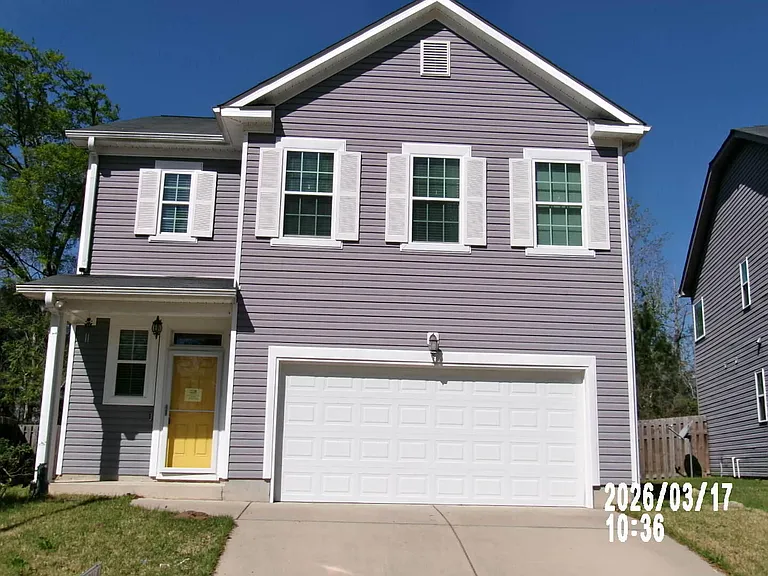
This example is from Grovetown, Georgia, not Brownsville or Harlingen. See how an investor used the property’s estimated $1,826 monthly rent to qualify for an $184,000 DSCR loan at 7.49% with no prepayment penalty—and how the deal pencils to approximately $205.83 monthly cash flow before other operating expenses.

DSCR and Investor Loan Guidance
Talk Through DSCR Loan Options With Lyndi Gajan
Real estate investors can work with Lyndi Gajan to talk through DSCR loan questions, rental income scenarios, refinance options, and investor documentation before choosing a loan path.
Lyndi Gajan NMLS ID 88249. 360 Mortgage Inc. NMLS ID 80777. Loan availability, licensing, and guidelines vary by state, property, and loan purpose.
Request your Brownsville–Harlingen financing review
Share the address and rental plan so Lyndi can review eligible investment programs and records.
Frequently asked questions about Brownsville–Harlingen DSCR loans
Does the Brownsville–Harlingen estimate describe only Brownsville?
No. The population figure describes the metropolitan area. Rental comparisons must fit the actual property location and use.
Does Brownsville require short-term rental registration?
The city’s official guidance describes registration and monthly hotel occupancy tax reporting. Verify current requirements for the property before relying on a short-stay plan.
Can Brownsville rental rules be applied automatically in Harlingen?
No. Confirm the governing jurisdiction and obtain guidance for the actual address, along with association, insurance and lender requirements.
Does a 1.25 DSCR guarantee positive operating cash flow?
No. Vacancy, management, maintenance, capital reserves and other ownership expenses can exceed the margin after debt payment.
Can an LLC borrower use a DSCR program?
Some programs accept eligible LLC borrowers with required records and guarantees. Entity ownership alone does not establish licensing scope or change actual use.
What should I send for a Brownsville–Harlingen loan review?
Provide the address, price or value, loan request, supported rent, rental term, taxes, insurance, dues, repairs, occupancy, closing funds and ownership structure.
Sources and review notes
Local facts checked October 8, 2026. Examples are hypothetical and are not rental-income estimates, coverage offers or quoted loan terms.