

Quick answer
DSCR loans in Pooler, GA
A DSCR loan in Pooler is typically evaluated around the rental property?s income potential rather than the borrower?s personal W-2 income alone. Investors should compare projected rent, debt service coverage ratio, loan-to-value limits, reserves, property type, and whether the strategy is long-term rental, short-term rental, or portfolio growth.
Investor fit and underwriting checkpoints in Pooler
Pooler investors should treat DSCR financing as a property-level cash flow decision. A stronger file usually pairs realistic rent support, a clear lease or market rent analysis, appropriate reserves, and a purchase or refinance structure that leaves room for taxes, insurance, vacancy, repairs, and property management.
- Review DSCR loan LTV limits before setting leverage expectations.
- Use the rent schedule Form 1007 guide when market rent support matters.
- Confirm DSCR reserve requirements early so cash-to-close surprises do not derail the file.
- If equity from another property is part of the plan, compare the cash-out refinance guide.
DSCR rental property strategy in Pooler
Pooler investors often think in terms of Savannah-area growth, commuter access, logistics employment, and long-term rental demand. A DSCR review should still start with the rent number, property expenses, insurance, taxes, reserves, and whether the investment plan is long-term or short-term.
Common Savannah-area rental property types include single-family rentals, townhomes, and Savannah-area long-term rental properties; short-term rental use should be reviewed only when rules and property use support it. The right DSCR structure depends on rent support, property condition, loan-to-value, reserves, credit profile, and the investor’s hold strategy.
Example DSCR scenario
A Pooler rental buyer can use current lease income or market rent to test the DSCR ratio before making an offer. An owner with equity may review a DSCR cash-out refinance to fund another rental property or improve liquidity.
Georgia qualification notes
Georgia DSCR borrowers should review title vesting, lease support, insurance, reserve expectations, LLC ownership, and whether the property use fits the investor’s financing plan.
Cash-out refinance planning
A DSCR cash-out refinance may help a Pooler investor access equity, but the new payment still needs to be supported by rent, reserves, and the lender’s LTV limits.
LLC borrower considerations
Many investors ask about closing in an LLC. Review DSCR loans for LLC borrowers early so title, entity documents, signing authority, and insurance are aligned before closing.
Short-term rental financing can be relevant in Pooler, but it should be reviewed carefully. DSCR lenders may look at rent support, property use, reserves, appraisal support, and whether local rules allow the rental strategy the investor is using.
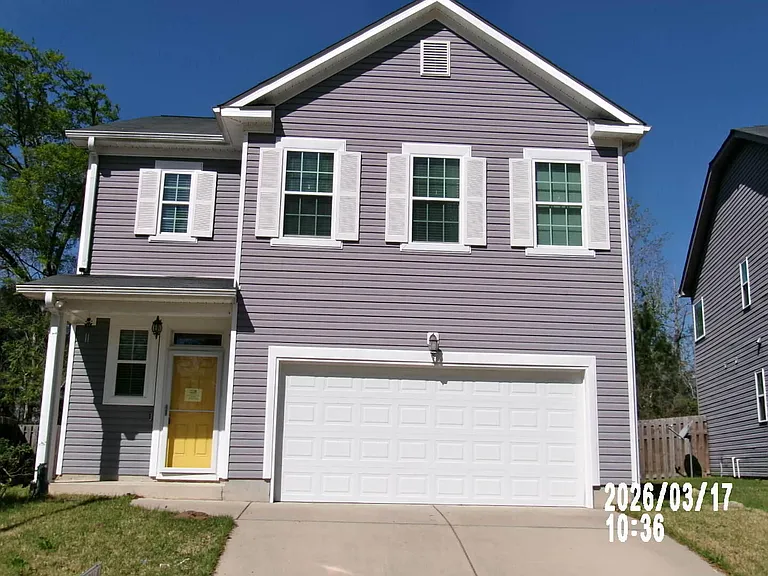
Real Georgia DSCR closing
No Personal Income Needed for This Rental Purchase
See how a Grovetown investor used the property’s estimated $1,826 monthly rent to qualify for an $184,000 DSCR loan at 7.49% with no prepayment penalty—and how the deal pencils to approximately $205.83 monthly cash flow before other operating expenses.
View the Georgia DSCR purchase case studyDSCR questions Pooler investors should answer
How much rent does the property need to support?
Start with the full payment, including principal, interest, taxes, insurance, HOA dues when applicable, and reserve expectations. Then compare that payment with current lease income or market rent supported by the appraisal.
Should I use personal income or rental income to qualify?
A DSCR loan is generally reviewed around the rental property’s income rather than traditional personal income. Credit, assets, reserves, property type, appraisal support, and loan structure still matter.
What should I review before applying?
Review the expected rent, property expenses, LTV, reserves, ownership structure, lease documentation, and whether the property is a long-term rental, small multifamily, or another investor scenario.
Helpful DSCR resources for Pooler investors
Frequently Asked Questions
What is the main DSCR loan requirement?
The main question is whether the property rent can support the proposed mortgage payment under the lender?s DSCR calculation. Credit, leverage, reserves, appraisal, and property type also matter.
Can I use DSCR for a rental refinance?
Yes, investors may use DSCR financing for purchases or refinances when the property and loan structure meet program guidelines.
Do DSCR loans require personal income documents?
DSCR loans generally focus more on property cash flow than traditional personal-income underwriting, though lenders still review borrower, credit, liquidity, and property documentation.
Local investor field notes
Pooler, GA DSCR field notes for rental investors
A DSCR review in Pooler, GA should connect the loan calculation to the way renters actually use the local market. Investors often start with purchase price and expected rent, but the stronger file usually explains why the rent is supportable, what expenses could move after closing, and how the property would perform if the first lease, first guest season, or first renewal is less optimistic than expected.
For Pooler, GA rental properties, local context can include Tanger Outlets, Savannah/Hilton Head airport, I-95, I-16, Pooler Parkway, and the Port of Savannah logistics corridor. Those anchors do not guarantee cash flow, but they help an investor think through commute patterns, renter depth, neighborhood boundaries, parking expectations, maintenance access, and whether the property is competing with newer rentals, older workforce housing, student-oriented units, or vacation-oriented supply.
How to underwrite the rent before ordering the loan
Before relying on a DSCR number, compare current leases, market rent, and the appraiser’s rent support against the full proposed payment. The full payment should include principal, interest, taxes, insurance, HOA dues when applicable, and any property-level costs that affect the investor’s real cash flow. In Pooler, GA, investors should be especially careful when the pro forma assumes premium rent, short vacancy, low repair costs, or a refinance value that depends on improvements not yet complete. Readers comparing long-term financing costs can use the mortgage amortization calculator to model principal, interest, and the remaining balance over time.
Demand to document
Look for evidence of logistics, airport, port, manufacturing, and suburban renter demand. Lease comps, listing history, property condition, and location-specific renter expectations can all affect whether the rent support is credible.
Property types to compare
Common scenarios include newer single-family rentals, townhomes, and long-term rentals serving Savannah-area workers. Each property type can produce a different DSCR result because taxes, insurance, HOA dues, repairs, and management costs are not identical.
Structure to test
Compare purchase, rate-and-term refinance, and cash-out scenarios before choosing leverage. A lower loan amount can sometimes make the deal stronger if it protects DSCR and reserves.
Questions for Pooler, GA DSCR borrowers
- Does the supported rent cover the proposed payment after taxes, insurance, HOA dues, and realistic vacancy assumptions?
- Is the property best evaluated as a long-term rental, short-term rental, small multifamily, or refinance of an already stabilized asset?
- Will title be held personally or through an LLC, and are the entity documents, insurance, and signing authority ready before closing?
- Could a reserve cushion absorb a slower lease-up, repairs after inspection, local insurance changes, or a lower-than-expected rent schedule?
The practical goal is not simply to pass a ratio on paper. It is to choose a DSCR loan structure that still makes sense after the real property expenses show up. That is why 360 Mortgage reviews the rent support, loan-to-value, reserves, property use, credit profile, and closing plan together before recommending the next step.
Extra diligence for thinner files
If the page’s first-pass numbers are close, investors should slow down and test a downside version of the deal. Lower the rent estimate, raise the insurance assumption, add a repair reserve, and compare the result with the DSCR threshold. In Pooler, GA, that extra pass can separate a rental that only works in a spreadsheet from one that can survive normal turnover, repairs, and market noise.
Investors should also compare the exit plan before choosing a loan amount. A buy-and-hold rental may need stable lease demand more than top-line appreciation. A refinance strategy may need documented improvements, a realistic value opinion, and enough time for the new rent to be supported. A short-term or mid-term rental plan may need proof that local rules, HOA rules, furnishing costs, and management costs still leave enough income after debt service.
For borrowers building a portfolio, the best DSCR conversation usually includes both the subject property and the next property. Reserves, liquidity, entity structure, insurance renewal timing, and existing mortgage payments can all affect how quickly an investor can scale. Reviewing those details early helps prevent a technically approvable loan from becoming a weak long-term portfolio decision.

DSCR and Investor Loan Guidance
Talk Through DSCR Loan Options With Lyndi Gajan
Real estate investors can work with Lyndi Gajan to talk through DSCR loan questions, rental income scenarios, refinance options, and investor documentation before choosing a loan path.
Mobile: (225) 290-8587
Lyndi Gajan NMLS ID 88249. 360 Mortgage Inc. NMLS ID 80777. Loan availability, licensing, and guidelines vary by state, property, and loan purpose.
Talk through a Pooler DSCR loan scenario
If you are buying, refinancing, or pulling cash out of a Pooler or Savannah-area rental property, 360 Mortgage can help review rent support, DSCR ratio, LTV, reserves, LLC ownership, and the next step before you apply.
Related investor pages
Pooler investors often compare DSCR loans when buying or refinancing rental homes near Savannah, logistics corridors, short-term rental demand, and suburban long-term rental inventory. The financing decision should still start with the same core questions: what rent can the property support, how much leverage is appropriate, what reserves are needed, and whether the refinance or purchase leaves enough room for vacancy, maintenance, taxes, insurance, and management.
Last updated June 7, 2026. Reviewed for borrower education by 360 Mortgage.
How Pooler investors can use DSCR financing
Pooler sits close enough to Savannah to attract investors who want access to port, logistics, tourism, and suburban rental demand without underwriting every deal like a primary residence mortgage. A DSCR loan can be useful when the property itself is the center of the file: projected rent, existing lease income, appraisal-supported market rent, and total housing expense become the key questions.
For a purchase, investors should model principal and interest, taxes, insurance, association dues if any, vacancy, maintenance, leasing costs, and management. For a refinance, the main question is whether the new loan improves the portfolio. A cash-out refinance may create capital for repairs or another acquisition, but only if the new payment still leaves enough coverage for the property to operate comfortably.
Pooler DSCR checklist
- Estimate market rent using comparable long-term rentals, not only optimistic asking rents.
- Compare leverage with DSCR LTV limits before making an offer.
- Confirm whether the property needs lease documentation, a market rent schedule, or both.
- Set aside reserves for vacancy, turn costs, maintenance, insurance changes, and taxes.
- Review whether the deal fits better as a purchase, rate-and-term refinance, or cash-out refinance.
Pooler, Savannah, and nearby rental strategy
Some investors compare Pooler with Savannah because the two markets can support different rental profiles. Savannah may provide stronger urban and tourism-driven demand in certain neighborhoods, while Pooler may appeal to renters seeking suburban access, commuting convenience, and newer housing stock. Financing should follow the property strategy. A home that works as a long-term rental should still be tested against conservative rent and expense assumptions, even if nearby growth looks promising.